If you're planning your trip to Colombia and don't know where to start, that's completely normal: this country has Caribbean beaches, the Andes, the Amazon, coffee country, deserts and colonial towns. But if you ask us — the people who live here, ride through the city every day and watch travelers arrive from all over the world — one answer keeps coming up: Medellín.
And it isn't just local pride talking. We say it because we see something happen again and again: people come to Medellín three, four, five, even ten times, when they could visit any other city in the world. There's something about this place that hooks you. Here's what it is.
Human warmth: the real reason people come back
We could tell you about the weather, the mountains or the food, and all of it would be true. But what truly makes people fall for Medellín is the people. Paisa warmth isn't a brochure cliché: it's the way locals welcome an outsider like family, walk half a block with you to give directions, strike up a conversation on the metro, and genuinely want you to leave with a good impression.
That human quality is hard to measure or fit into a photo, but it's exactly what makes a traveler say "I want to come back." You can visit bigger, more famous or more expensive cities, but few make you feel the way Medellín does. For us, that's the heart of it all.
The city of eternal spring
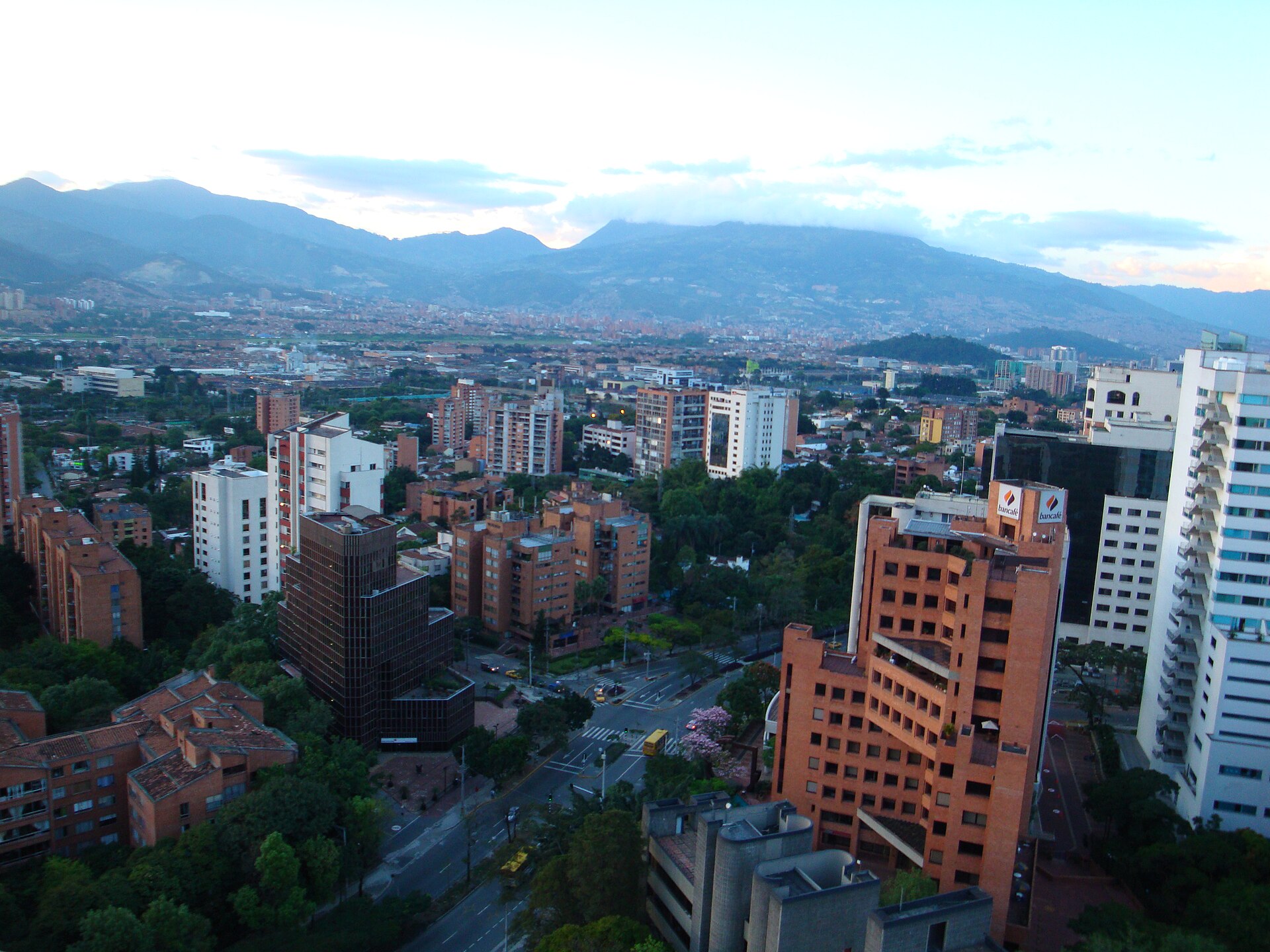
Medellín is known as the city of eternal spring, and it's not marketing: it sits in a valley about 1,500 meters (4,900 ft) above sea level, with temperatures hovering around 22–24 °C (72–75 °F) all year round. There's no winter or summer like in other countries; there's a drier season and a rainier season, but even when it rains, the weather stays mild and pleasant.
For travelers this means something very practical: you can come any month and walk, ride a bike or sit on a terrace without suffering extreme heat or cold. And because the weather cooperates, the city is lived outdoors.
A green, clean city its people truly love
Medellín surprises visitors with how green it is: the hills that ring the valley, the trees along the avenues, the ecological corridors. It's also a clean, well-kept city, and there's a lovely reason for that: paisas love their city. There's a sense of belonging you can feel. People look after it because they feel it's theirs.
That blend — nature, order and local pride — creates an urban atmosphere that's hard to find in cities this size.
Getting around is easy: metro and public transport
Medellín is the only city in Colombia with a metro, and it's far more than a train: it's a symbol of the city. It's spotless, safe and connects to metrocables (the cable cars that climb to the hillside neighborhoods) and a tram. A single card takes you across almost the whole city.
For a tourist, this changes the trip: you don't depend on taxis for everything, you reach the key spots on your own, and you get to see how the city really moves. Want to understand it before you arrive? We have a metro guide for tourists.
Perhaps the most sports-loving city in Colombia
Here people are very used to being active, and the city encourages it with public infrastructure for everyone. Two examples travelers love:
- The Ciclovía: on Sundays and holidays, main avenues are closed off so people can cycle, jog, walk the dog or stroll with the family. It's a healthy celebration that says a lot about the city's culture.
- The open-air gyms, public and free, scattered across parks and greenways, open to everyone.
It's a public initiative to make physical activity something for all, not a luxury. And you feel it: Medellín is an active, fit, energetic city.
Great food that's still affordable for foreign travelers
Paisa food is tasty, generous and honest, and the dining scene increasingly blends the social and the cultural: markets, specialty coffee, neighborhood restaurants, rooftop terraces. And here's something foreign visitors love: for many travelers, Medellín still feels affordable. You eat well, get around and enjoy for far less than in other world capitals, without giving up quality.
Tourism with many faces (not just the usual spots)
This may be Medellín's greatest asset: being a mid-sized city, it offers almost everything a cosmopolitan world city does. Tourism here has several sides, and you can choose yours:
- Traditional and commercial tourism: the famous spots, Botero Plaza, El Poblado, Provenza, shopping malls, nightlife, shopping.
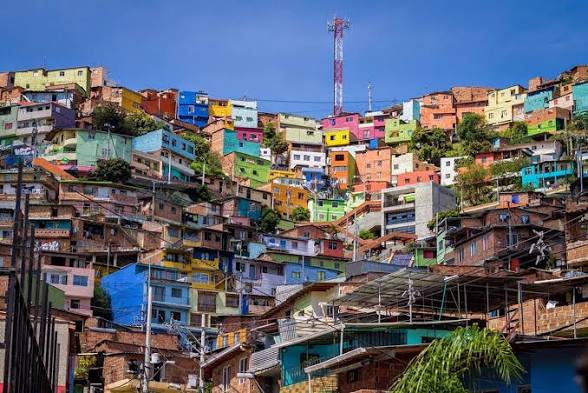
- Social and memory tourism: this one is special. Medellín has worked enormously on the restoration of its comunas and its social fabric. There's a kind of tourism that seeks exactly that: getting to know social projects like community gardens, non-violence initiatives and memory work, in a city and a country that lived through hard years. Comuna 13 is the best-known example of transformation, with its outdoor escalators, street art and story of resilience; and spaces like the House of Memory help you understand where the city comes from.
- Cultural tourism: museums, memory parks, art, music, festivals like the Flower Fair and December's Christmas lights (Alumbrados).
- Medical tourism: Medellín is a Latin American leader in health and aesthetics, and many travelers come for that too.
That mix is rare and valuable: you can come for the nightlife and shopping, but also to discover a city that reinvented itself and wants to tell that story honestly.
Beautiful towns just a step away from Medellín
Another huge advantage: around Medellín there are many gorgeous towns and villages, full of history and charm, increasingly appealing to culture-loving travelers. Guatapé and its Peñol Rock, Jardín, Santa Fe de Antioquia, eastern Antioquia… all just a few hours away. You can have city and nature in the same trip.
→ Want the full picture of the country? We mapped out what to see in Colombia: cities, towns and nature from another planet.
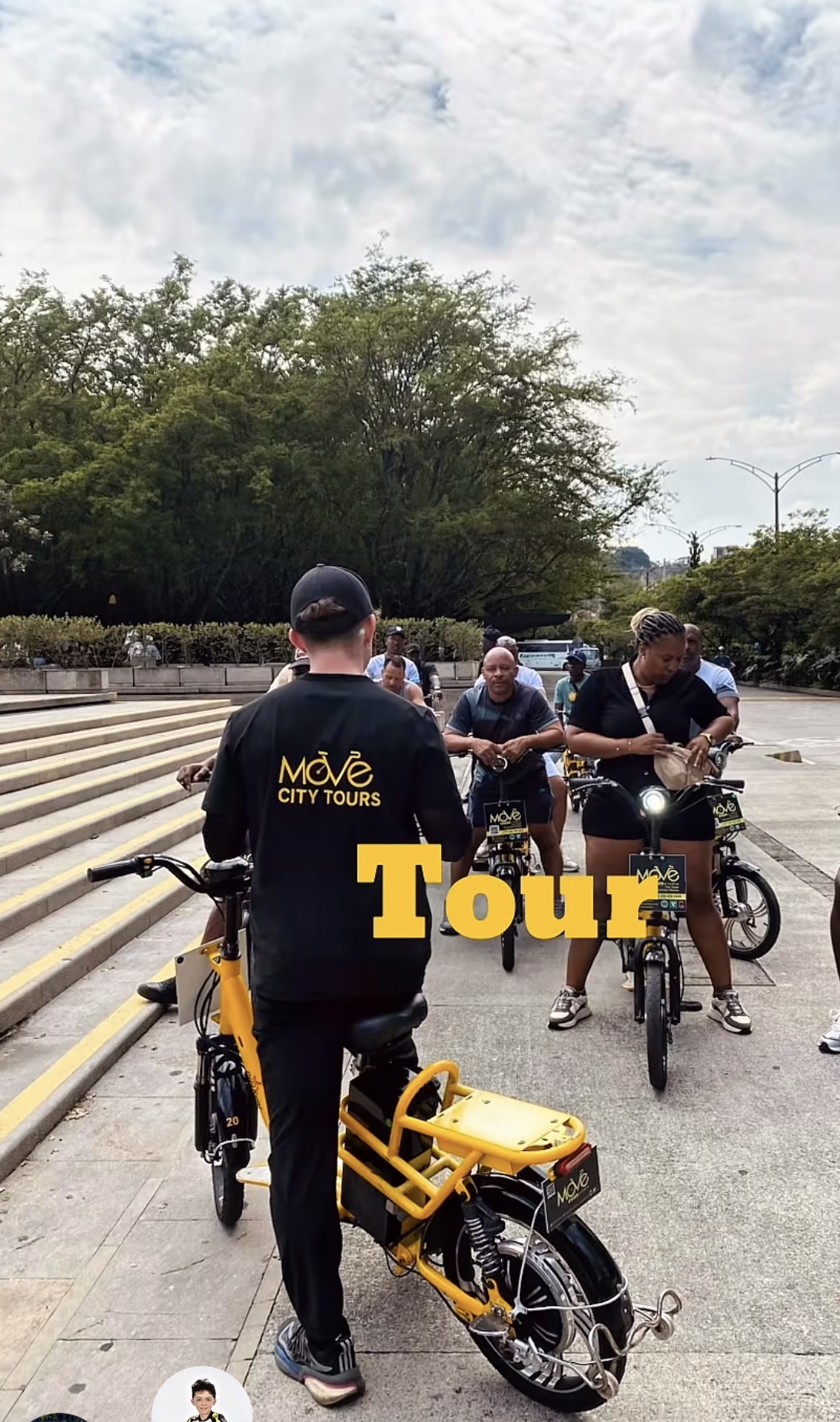
The best way to discover Medellín: on an e-bike with MOVE
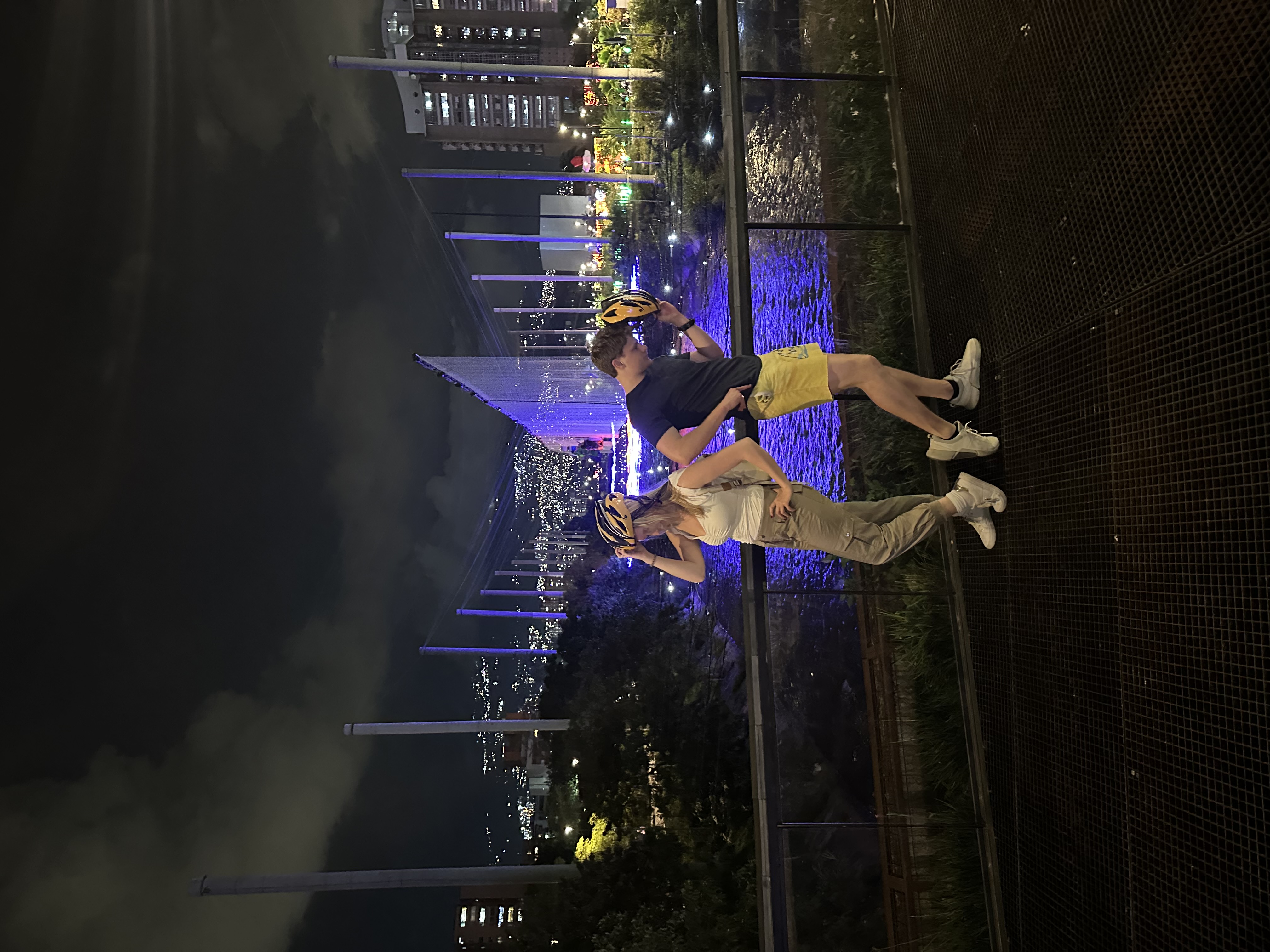
This is where we come in. The loveliest way to feel this city — its people, its weather, its neighborhoods — is on a bike. And here's the key: our bikes are electric, pedal-assisted, so you barely have to pedal at all. You cover half the city without sweating, without tiring out, no matter your age or fitness level. It's the perfect way to get your bearings on day one and see far more than you would on foot or stuck in a car.
We have tours for every taste: from the Exprés for a first taste, to the Completo that includes Comuna 13. And if you don't know where to start your trip, build your free plan with our Trip Planner or read the ultimate Medellín guide.
Is it safe to travel to Medellín?
Let's be straight with you, paisa-style. Colombia still carries an image from the past, and yes, you should travel with common sense. But it's worth looking at the facts calmly: the travel advisories that flag "do not travel" zones (such as the U.S. one, updated in 2026) point to specific border or conflict departments — Arauca, Norte de Santander, parts of Cauca and Valle del Cauca — that are far from the tourist circuit. Medellín, Cartagena, Bogotá and the Coffee Region are not on that list.
In practice, millions of travelers enjoy Medellín every year without incident. The local advice is simple: "no dar papaya" — don't flash valuables, use recommended transport and apps, and stick to known areas at night. Do that, and the city is a joy.
→ Want to understand why Colombia is so diverse — its regions, climates and cultures? We explain it in Tourism in Colombia: one country that is many countries.
In short
Medellín isn't Colombia's biggest or most famous city, and maybe that's why it wins people over: it has perfect weather, it's green, clean, well-connected, sporty, delicious, still affordable and — above all — full of warm people who love and care for it. It offers traditional, social, cultural and nature tourism, with beautiful towns just around the corner. No wonder people keep coming back.
And when you come back (because you will), we'll be here to show it to you the right way: rolling, unhurried, with good energy.
Ready to discover it? Book your e-bike tour and let us show you why Medellín is the city everyone wants to return to.
Frequently asked questions about visiting Medellín
Why is Medellín called the city of eternal spring? Because it sits in a valley about 1,500 meters above sea level and keeps a mild temperature of around 22–24 °C all year, with no extreme winters or summers. That's why so much of life happens outdoors.
When is the best time to visit Medellín? Any month works thanks to its stable climate. There are drier seasons (December–March and July–August) and rainier ones, but even in the rainy season the weather stays pleasant. August stands out for the Flower Fair and December for the Christmas lights.
Is it safe to travel to Medellín in 2026? Yes, taking normal city precautions. The zones labeled "do not travel" in international advisories are border departments far from the tourist circuit, not Medellín. Local advice is to avoid flashing valuables and to use reliable transport and apps.
Is Medellín worth it if I only have a few days in Colombia? Very much. As a mid-sized but complete city, in a few days you combine culture, food, history and nature, plus nearby towns like Guatapé. An e-bike tour on day one helps you get oriented and make the most of your time.
Do I need to be fit for a bike tour in Medellín? No. Our bikes are electric and pedal-assisted: you barely have to pedal, so anyone, of any age and fitness level, can enjoy the ride without getting tired.
Ready to experience it?
Discover Medellín on an e-bike private tour. Local guides · Instant confirmation · 5.0 ★ (350+ reviews).