Colombia isn't one trip: it's many countries in one. In a single country you get Caribbean beaches, Andean mountains, Amazon jungle, deserts, rivers of color and colonial towns frozen in time. So when someone asks "what should I see in Colombia?", the short answer is: it depends on how many lives you want to live in one trip.
Here's a tour of the country's best, from big cities to hidden towns, with a short note on each place so you have great options. And since we're from Medellín, at the end we'll tell you why this city is, for us, the best base to discover Colombia.
The big cities
Bogotá. The capital, at 2,600 meters (8,600 ft). Its historic core, La Candelaria, mixes colonial streets, museums and street art; ride up to Monserrate for a sweeping view, visit the stunning Gold Museum, and nearby, the Salt Cathedral of Zipaquirá, a church carved into a mine.
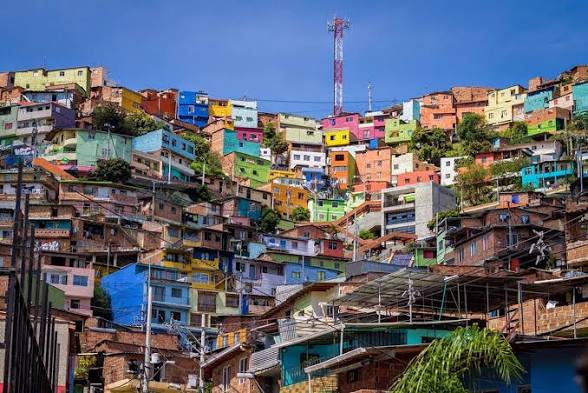
Medellín. Our city, the one of eternal spring: mild weather year-round, warm people, very green, with a metro and a story of transformation that's now a global example. It's culture, food, nightlife and social tourism in an ideally sized city. (We explain why Medellín wins travelers over in detail).
Cartagena. The jewel of the Caribbean. Its Walled City, a UNESCO World Heritage Site, is pure colonial romance: flower-filled balconies, plazas, sea walls. The Getsemaní neighborhood buzzes with art and nightlife, and from the port you can sail out to the Rosario Islands and turquoise-water beaches.
Santa Marta. The oldest surviving city in the country and the gateway to wonders: Tayrona National Park (Caribbean beaches between jungle and mountains), the mountain village of Minca (coffee, waterfalls, birds) and the famous Lost City.
Barranquilla. The Caribbean's "Golden Gate," Shakira's hometown and home of the Barranquilla Carnival, one of the largest in the world and a UNESCO heritage event. If you travel during Carnival season (February/March), it's a party you won't forget.
The Coffee Region: the heart of coffee
Declared a UNESCO Coffee Cultural Landscape, it's a region of green mountains, coffee farms and colorful towns. Its main cities are Manizales (in the mountains, near the Nevado del Ruiz volcano), Pereira and Armenia.
Salento and the Cocora Valley. The region's most famous town, colorful and coffee-driven, and just next to it the Cocora Valley, home of the wax palm — the national tree and the tallest palm in the world (it can top 60 meters / 200 ft). Walking among those giant palms is one of Colombia's iconic postcards.
Filandia. Salento's quieter neighbor, just as pretty and less crowded, with a spectacular lookout and great coffee. Across the region you can visit a coffee farm and learn about the bean from seed to cup.
Charming towns
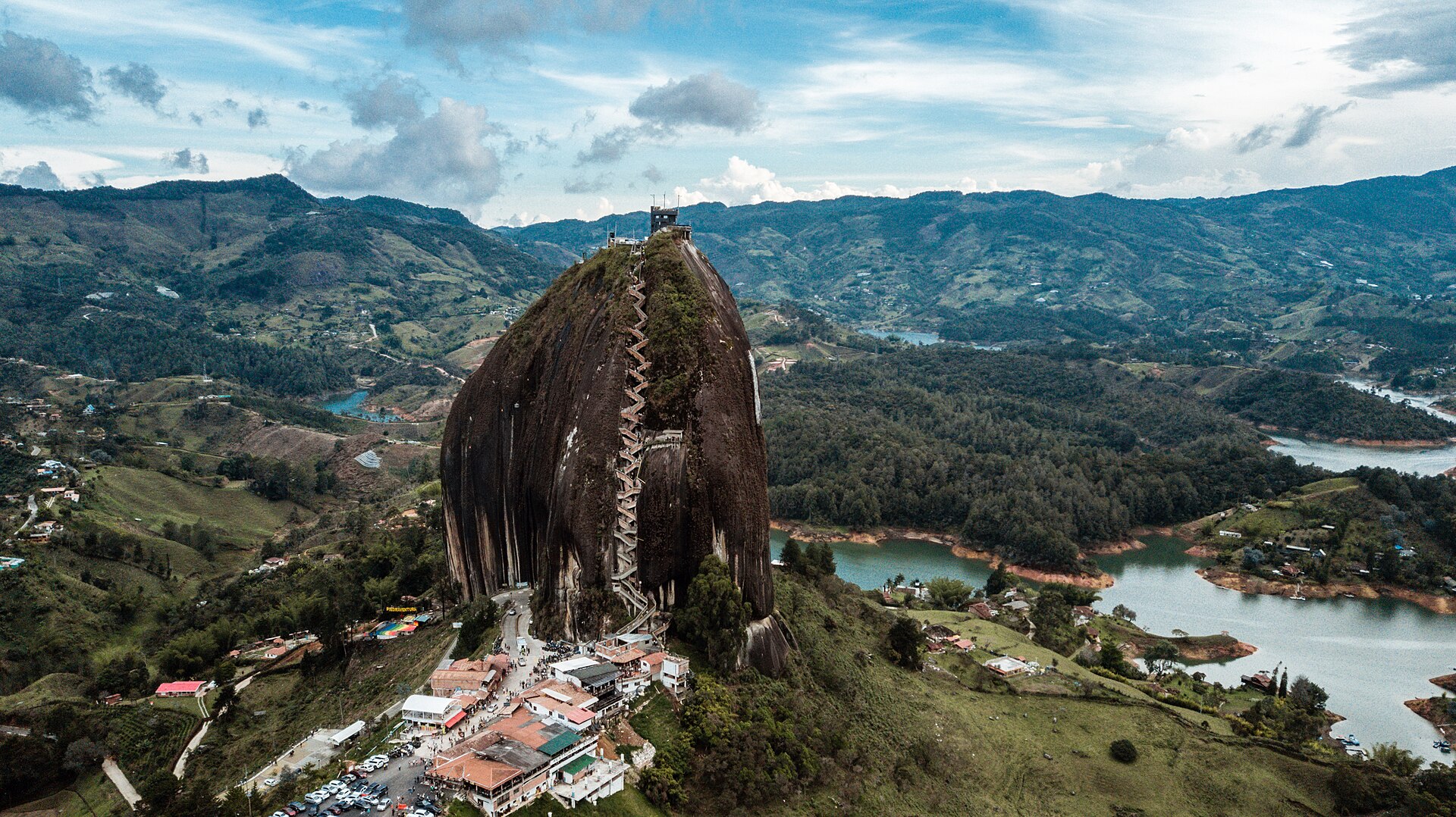
Guatapé. A couple of hours from Medellín, it's Colombia's most colorful town, with painted zócalos (friezes) on every house. Beside it, the Peñol Rock: a giant boulder with 740 steps and a dreamlike view over an island-dotted reservoir. (We'll take you: Guatapé experience).
Jardín. In southwestern Antioquia, one of the country's prettiest and most authentic towns: a lively plaza, high-altitude coffee, nature all around and gems like the Cueva del Esplendor. Perfect if you're after the calm, coffee-country side of Colombia.
Barichara and San Gil. In Santander, Barichara is considered "the prettiest town in Colombia": cobbled streets, white adobe houses and total peace. Walk the historic Camino Real trail down to Guane. Nearby, San Gil is the adventure capital: rafting, paragliding and the breathtaking Chicamocha Canyon.
Villa de Leyva. In Boyacá, near Bogotá, with one of the largest colonial plazas in the Americas. Cobbled, white and surrounded by vineyards, fossils and desert-like scenery.
Nature and landscapes from another planet
The Lost City (Teyuna). In the Sierra Nevada de Santa Marta, an Indigenous city older than Machu Picchu, built by the Tayrona. You reach it on a 3-to-6-day jungle trek, guided by Indigenous communities (Kogui, Wiwa, Arhuaco). One of South America's great adventures.
Caño Cristales. The so-called "river of five colors" or "the most beautiful river in the world," in the Serranía de la Macarena (Meta). Between June and November (best in September and October), an aquatic plant turns the water deep red, alongside yellows, greens and blues. You get there by plane and visit with authorized guides; it's closed off-season.
Tatacoa Desert. In Huila, near Villavieja, an arid landscape of red labyrinths (the Cuzco zone) and gray ones (the Los Hoyos zone) that is technically a tropical dry forest. By day it looks like Mars; by night, thanks to its very low light pollution, it's one of the best places in the country for stargazing at its astronomical observatory.
The Amazon. From Leticia, in the far south, you enter the largest jungle on Earth. Cruise the Amazon River to Puerto Nariño (a car-free town), look for pink dolphins, sleep surrounded by nature and meet Indigenous communities at the tri-border of Colombia, Peru and Brazil. A completely different kind of travel.
San Andrés and Providencia. Colombian islands in the heart of the Caribbean, famous for their sea of seven colors: a gradient of blues and turquoise for diving, swimming and switching off.
La Guajira. In the far north, the desert of the Wayúu people, with dunes tumbling into the sea at Cabo de la Vela and Punta Gallinas, the northernmost point of South America. Raw, remote and spectacular.
So where do you start? Medellín, your best base
With so much to see, many travelers choose Medellín as their base, and it makes perfect sense: it's in the center of the country, very well connected by air and land, with perfect weather year-round and a human warmth that makes it easy to feel at home. From here you're a step away from towns like Guatapé, Jardín or Santa Fe de Antioquia, and short flights from almost any corner of Colombia.
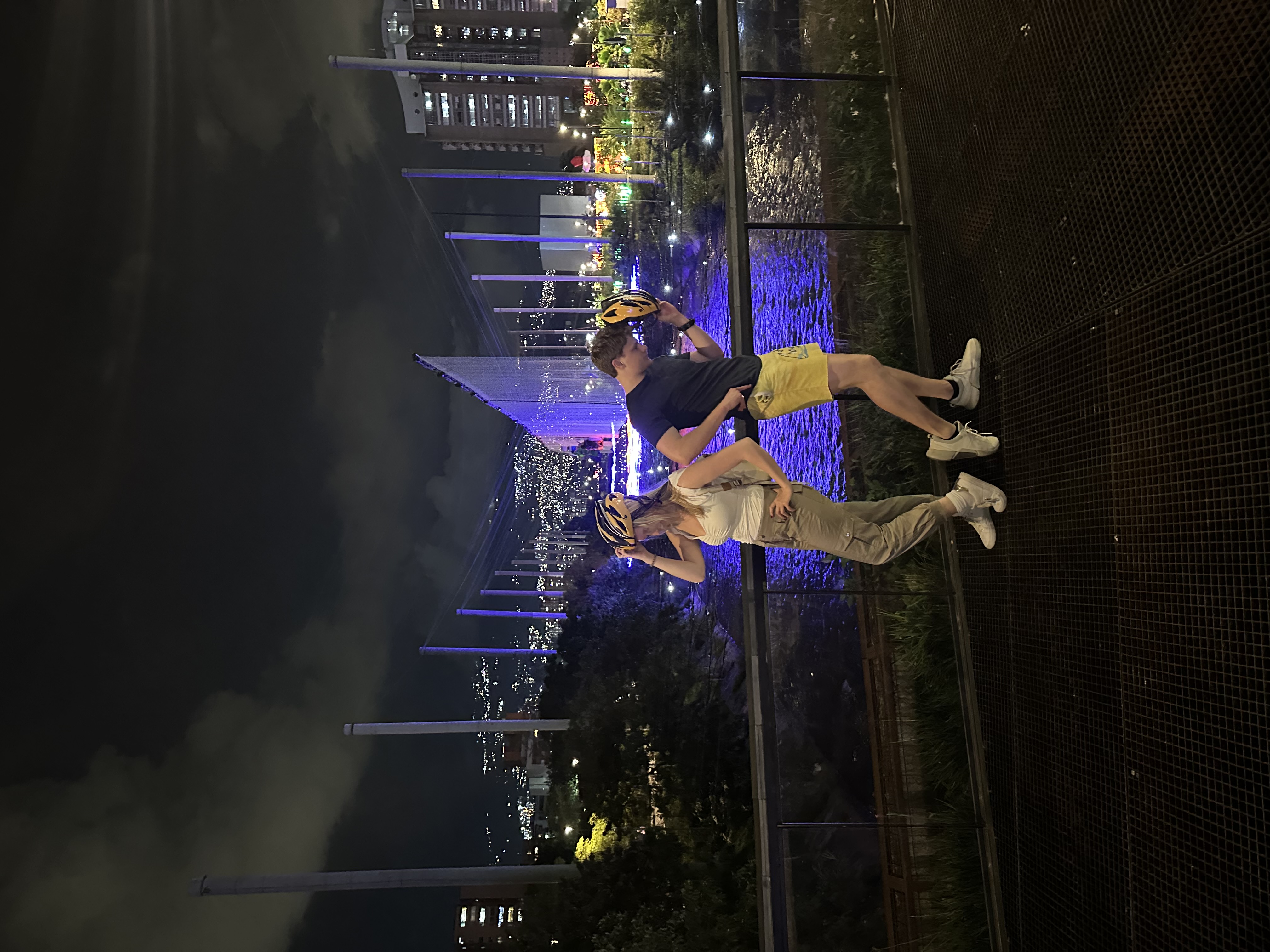
And the best way to kick off your trip is getting to know Medellín by bike. Our bikes are electric and pedal-assisted: you barely have to pedal, so you cover the city, understand how it moves and see a lot without tiring out, no matter your age or fitness. Check out our Medellín tours, build your route free with our Trip Planner, or read the ultimate Medellín guide.
An honest note on safety
Colombia carries a reputation from the past, but it's worth looking at the facts calmly: international travel advisories (like the U.S. one, updated in 2026) flag as "do not travel" only a few border or conflict departments — Arauca, Norte de Santander, parts of Cauca and Valle — far from the destinations in this blog. Cartagena, Medellín, Bogotá, the Coffee Region, Santa Marta and the Amazon are visited normally. The local rule is simple: "no dar papaya," use reliable transport and apply common city sense.
→ Want to understand why Colombia is so diverse — its regions, climates and cultures? We explain it in Tourism in Colombia: one country that is many countries.
In short
Colombia is vast in variety: beaches, mountains, jungle, deserts, coffee and storybook towns. You could plan a thousand different trips, and none would disappoint. Our advice: start in Medellín, get a feel for the country from here, and head out to discover the rest. When you arrive, let's ride together.
Frequently asked questions about what to see in Colombia
How many days do I need to see Colombia? It depends on how much you want to cover. In 7–10 days you can combine two or three destinations (for example Medellín + Cartagena + the Coffee Region). To include far-flung nature like the Amazon or Caño Cristales, plan on 2–3 weeks.
What's the best place to start a trip through Colombia? Medellín is an excellent base: mild weather all year, great air and land connections, warm people and beautiful towns nearby. From there it's easy to move on to the rest of the country.
When can you visit Caño Cristales? Roughly between June and November, when the aquatic plant turns the river its colors; the best months are usually September and October. From December to May it's closed.
Which Colombian destinations are best for stargazing and unique nature? The Tatacoa Desert (Huila) is ideal for astronomy; Caño Cristales (Meta) for the river of colors; the Amazon (Leticia) for jungle and pink dolphins; and the Cocora Valley for the tallest wax palms in the world.
Is it safe to travel around Colombia? Yes, taking normal precautions. The zones marked "do not travel" in international advisories are border departments far from the tourist circuit, not the popular cities and destinations in this article.
Ready to experience it?
Discover Medellín on an e-bike private tour. Local guides · Instant confirmation · 5.0 ★ (350+ reviews).