Some countries you visit; others you discover. Colombia belongs to the second kind, for a reason that surprises everyone who arrives: here you don't change countries by crossing a border — you change countries by crossing a mountain range. Caribbean beach in the morning and cool mountains at night, jungle at one end and desert at the other, snow-capped peaks gazing at the sea from afar. And the most incredible part isn't the landscape: it's that the people change too — the accent, the food, the music, the humor. This post is about exactly that: why Colombia is many trips in one, and why it deserves a long stay.
The geographic miracle: why everything fits here
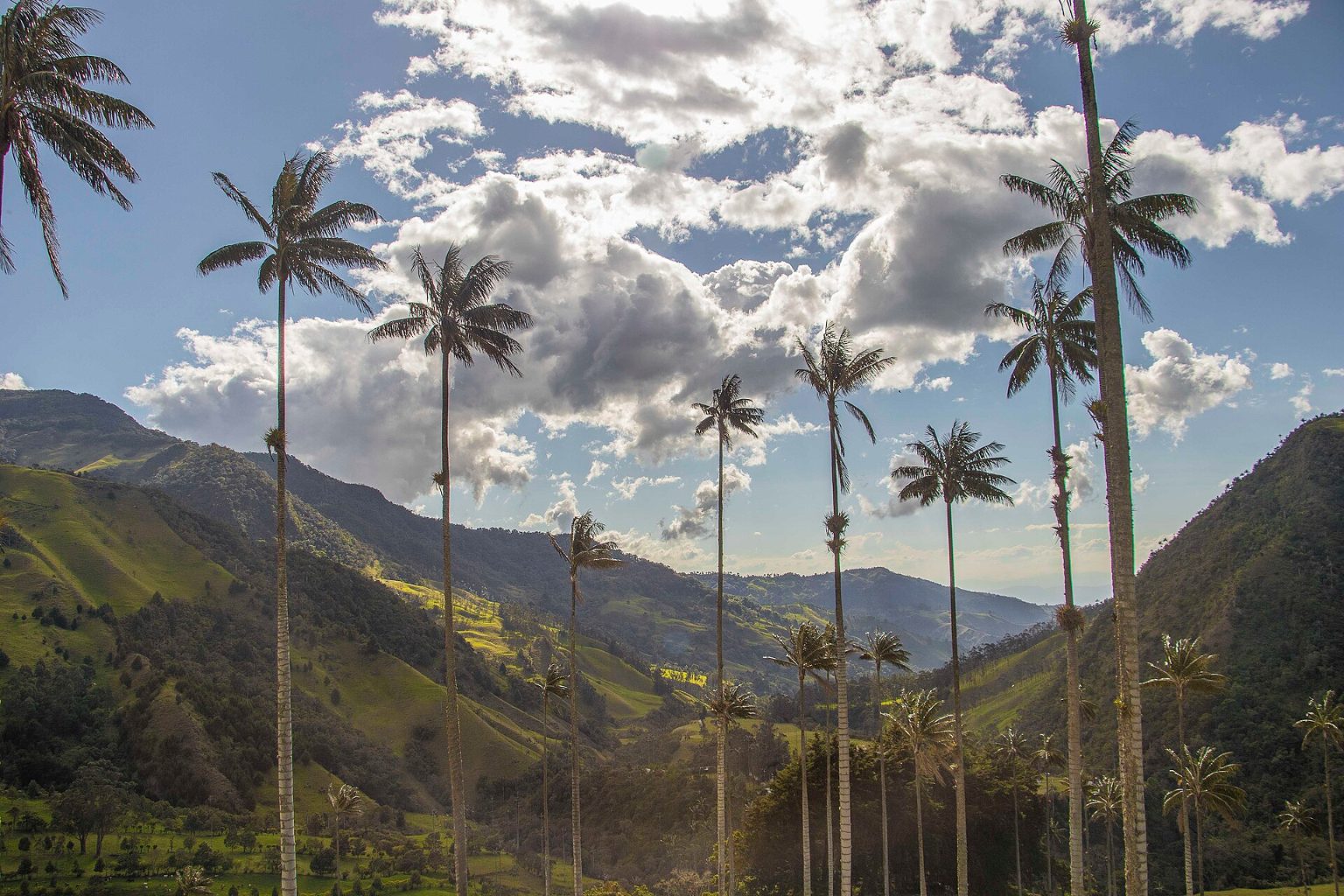
The explanation is on the map. As they enter Colombia, the Andes — the backbone of South America — split into three: the Western, Central and Eastern cordilleras, with huge valleys between them. Add two oceans (the Caribbean and the Pacific — something almost no other country in the region has), the Equator crossing the south, a slice of the Amazon, endless plains to the east and even a desert at the northern tip.
The result? A land where climate doesn't depend on the time of year but on altitude. There are no seasons here: there are thermal floors. Climb 1,000 meters and the temperature drops six degrees. That's why in a single day you can have breakfast in beach heat, lunch among mild coffee farms and sleep bundled up in the cold highlands. Colombia is, literally, an elevator of climates — and every floor has its own landscape, food and people.
One of the most biodiverse countries on Earth
That wild geography has a beautiful consequence: Colombia is one of the two most biodiverse countries in the world, and in some categories it's number one: no other country has more bird species, and none has more orchids — the national flower. It holds close to half of the planet's páramos (those unique water-making highland ecosystems of the tropical Andes), and the Chocó, on the Pacific, is among the rainiest, most alive places on Earth.
For travelers, that translates into real experiences: world-class birdwatching, humpback whales arriving at the Pacific coast to give birth, butterflies that exist nowhere else, and markets full of fruits you won't be able to pronounce — lulo, guanábana, gulupa, corozo, borojó. (We wrote a whole chapter on those fruits, because they deserve one.)
One country, many cultures: the real map of Colombia
And here comes the part almost no blog tells you. Colombia's diversity isn't just landscapes: every region is a complete culture, with its own accent, music, food and way of living. Getting to know Colombia is like collecting countries:
- Costeños (the Caribbean coast): joy made human. They speak in a sing-song, turn any corner into a party and are the kings of humor. Their soundtrack is vallenato and champeta; their table, fried fish with patacón and coconut rice. Time runs differently on the coast — tastier.
- Paisas (Antioquia and the Coffee Region): mountain people, entrepreneurs and world-class conversationalists. Heirs of the mule-driving arriería, capable of selling you anything with a smile and making you feel at home in five minutes. Bandeja paisa, coffee and fierce pride in their land. (That's us — can you tell?)
- Rolos and cachacos (Bogotá): the most formal, courteous Spanish in the country, a culture of museums, theater and coffee on cold afternoons. A hot ajiaco in the Andean capital is another Colombia: elegant, intellectual, with a wool ruana and an umbrella at hand.
- Boyacenses: Colombia's noble countryside soul. They address you as "sumercé", grow half the country's food among green mountains and keep the highland's loveliest traditions. Humility that hugs you.
- Santandereanos: tough character and straight talk — with an enormous heart behind it. Land of imposing canyons, roast goat and mute soup, and yes: the famous hormigas culonas, the country's bravest snack.
- Vallunos (Cali and the Valle): the world capital of salsa. Here dancing isn't a hobby, it's a language. Sugarcane, chontaduro and an energy that never switches off.
- The Pacific (Chocó): Colombia's deepest Afro heritage: currulao, marimba, seafood kitchens that are cultural patrimony, jungles that reach the sea and a spirituality you can feel on your skin.
- Llaneros (the eastern plains): cowboys of infinite grasslands, harp and joropo at sunset, cattle, wide rivers and skies that never end. The Colombia of horizons.
- And beyond: the Indigenous peoples of the Amazon and the Sierra Nevada, the Wayúu of the Guajira desert, the Raizales of San Andrés who speak Creole… Colombia speaks dozens of languages and lives dozens of worlds.
Crossing from one region to another is exactly what we said: discovering a new place without leaving the country. Same passport, same currency — another planet.
Music and food: the map you can hear and taste
If you want to understand Colombia fast, listen to it and taste it. Every region sounds different: vallenato and cumbia on the Caribbean, salsa in Cali, joropo on the plains, carranga in the highlands, currulao on the Pacific, and guasca and trova in the paisa mountains. And every region tastes different: ajiaco is nothing like fish sancocho, bandeja paisa nothing like Tolima's lechona, and the arepas change shape, size and filling every 200 kilometers. In Colombia you don't eat "Colombian food": you eat eight different cuisines.
Why Colombia is not a "pass-through" country
All of the above leads to one conclusion: treating Colombia as a three-day stopover is like walking into a library to read one cover. A short trip here is enough to fall in love, but not enough to know it: every region asks for its own time, its own rhythm, its own suitcase (seriously: on a single trip you'll need beachwear and warm clothes!). The travelers who enjoy it most are those who give it two, three weeks or more — or those who come back, which is almost everyone. If you want a concrete route through cities and towns, here's the full tour.
Medellín: where all the Colombias meet
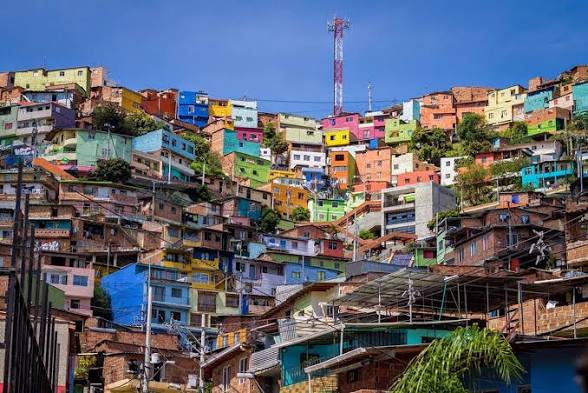
A local secret to wrap up: if Colombia is many countries, Medellín is their meeting point. People from every region live here — costeños, rolos, vallunos, santandereanos — drawn by the perfect weather and the city's energy; here you can eat, dance and listen to the whole country without leaving the valley. It sits at the center of the map, well connected to everything, and it has that paisa human warmth that makes starting your trip easy.
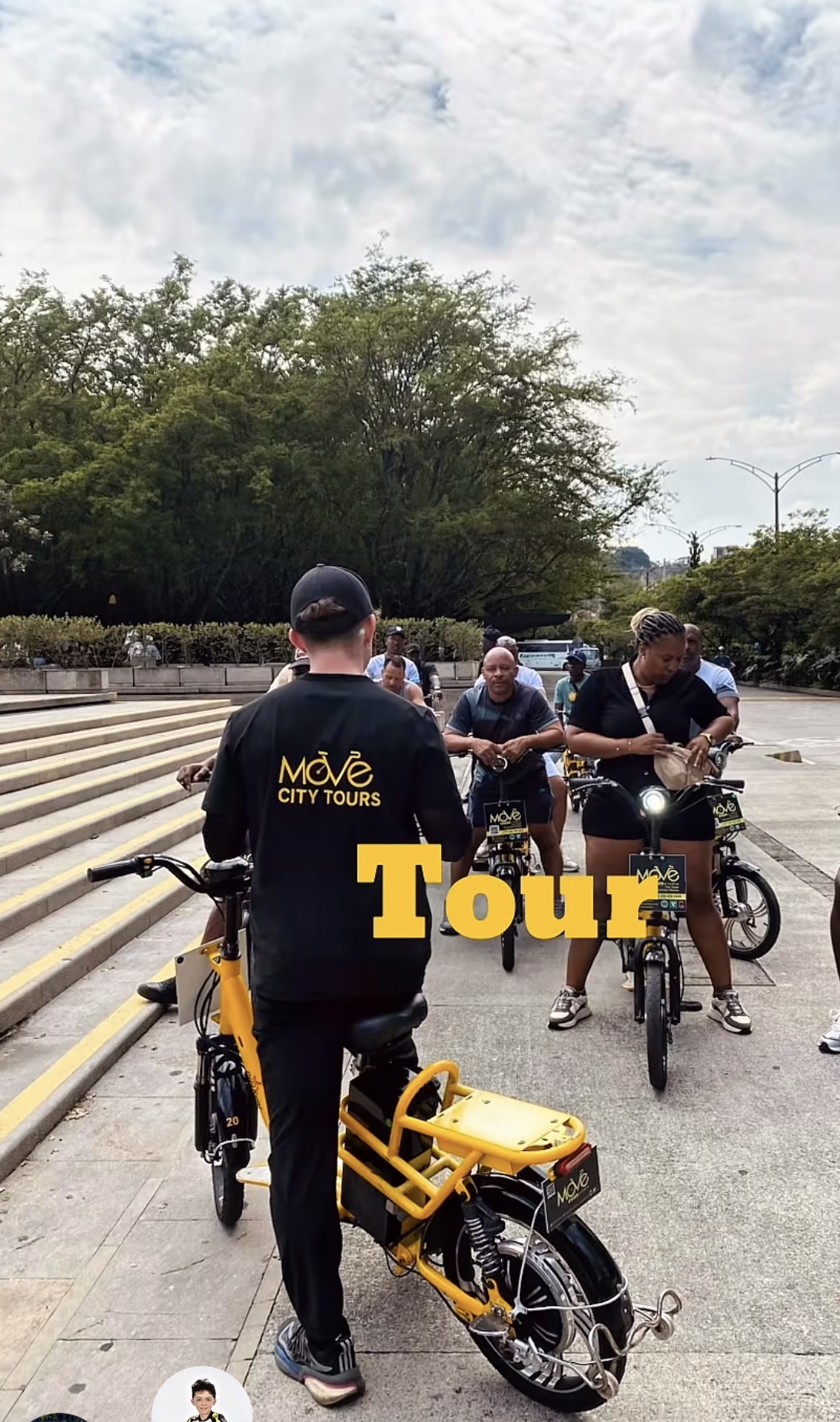
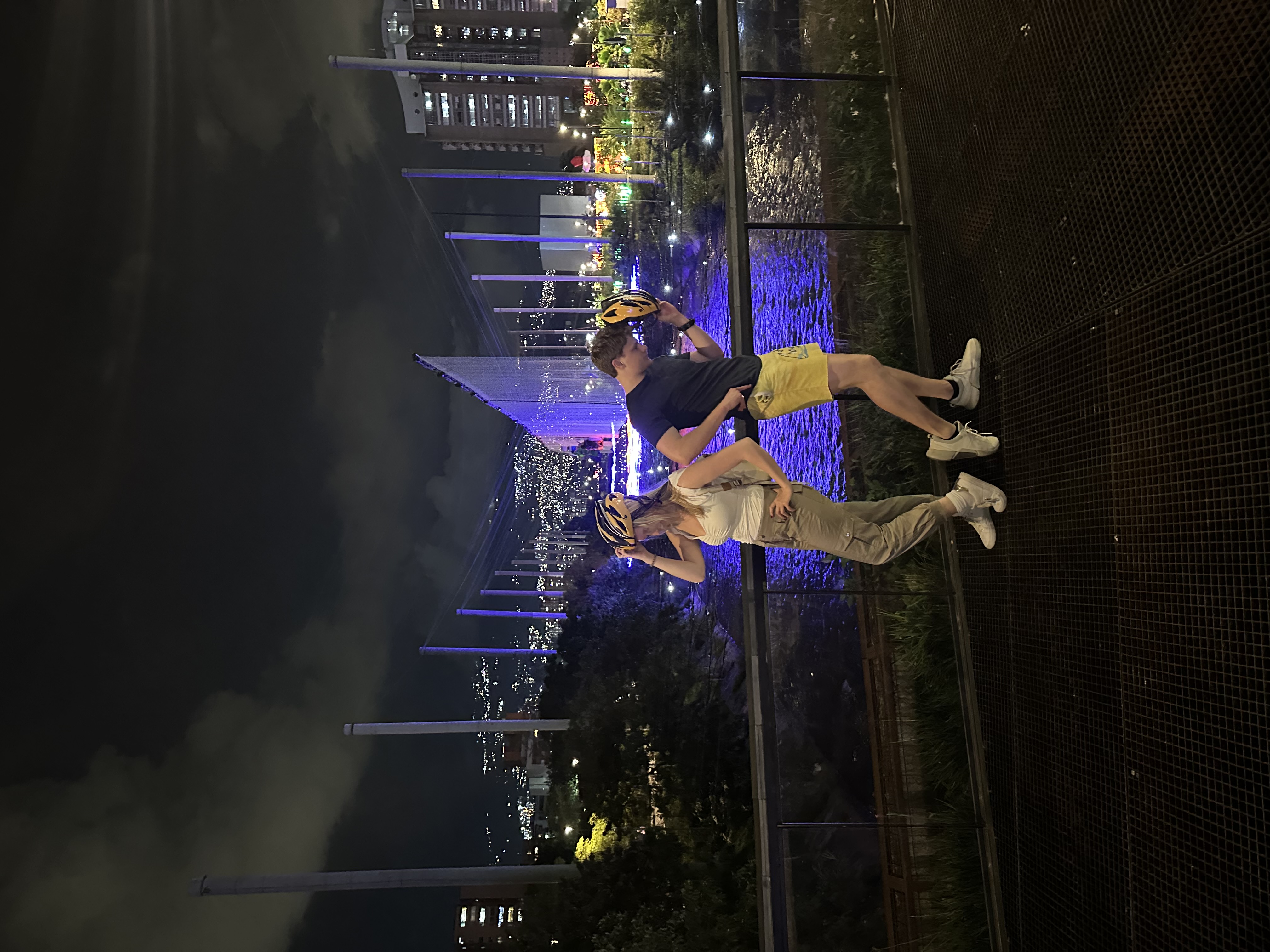
That's why we always give the same advice, and we mean it: wherever your route goes, don't leave Medellín out. Arrive, take the country's pulse from here, and on day one ride it with us on an e-bike — no pedaling, no getting tired, with a local telling you the stories. It's the best introduction to Colombia we know. And if you're building the full plan, the Trip Planner and the ultimate Medellín guide will set you up.
In short
Colombia is three cordilleras, two oceans, a piece of the Amazon, a desert, hundreds of rivers, and the country with the most birds and the most orchids in the world. But above all it is many Colombias: the coastal one, the paisa one, the rola, the boyacense, the santandereana, the valluna, the Pacific one, the llanera… Each with its own accent, its own dish and its own party. Come with time, come with a suitcase for every climate, and start — or pass through, or finish — in Medellín. We'll ride together when you arrive.
Frequently asked questions about tourism in Colombia
Why does Colombia have such diverse climates and landscapes? Because the Andes split into three cordilleras inside the country, it has coasts on two oceans (Caribbean and Pacific), the Equator crosses it, and it adds Amazon jungle, plains and desert. Climate depends on altitude (thermal floors), not on seasons: there is hot, mild, cold and páramo land all year round.
Is it true that Colombia has more bird species than any other country? Yes: Colombia tops the world list of bird species and is also the country with the most orchid species, its national flower. It ranks among the two most biodiverse countries on the planet.
How different are Colombia's regional cultures? Each region is a world: Caribbean costeños are party and humor; paisas are mountain entrepreneurs; Bogotá's rolos are formal and cultural; boyacenses are kind country folk; santandereanos have a famously strong character; vallunos live for salsa; the Pacific is Afro-Colombian heartland and the plains are cowboy country. Accent, music and food change with them.
How long should I stay in Colombia? Ideally two or three weeks to experience several regions without rushing. You can enjoy less, but Colombia is not a stopover: every region deserves its own trip. Most travelers end up coming back.
Can I see beach and snow on the same trip in Colombia? Yes. Thanks to the thermal floors you can go from Caribbean heat to páramo cold in a few hours on the road, and there are snow-capped ranges like El Cocuy and El Ruiz. Pack for every climate: it's the only country where your suitcase carries a swimsuit and a wool ruana.
Where should I start a trip through Colombia? Medellín is the ideal meeting point: at the center of the country, well connected, with mild weather all year and people from every region. From there it's easy to head out and discover the rest — and an e-bike tour on day one is the best landing in the country.
Ready to discover the country that is many countries? Start at its meeting point: book your e-bike tour in Medellín or message us on WhatsApp — and build your route with what to see in Colombia.
Cover photo: Estebanhphoto, via Wikimedia Commons (CC BY 4.0 license).
Ready to experience it?
Discover Medellín on an e-bike private tour. Local guides · Instant confirmation · 5.0 ★ (350+ reviews).