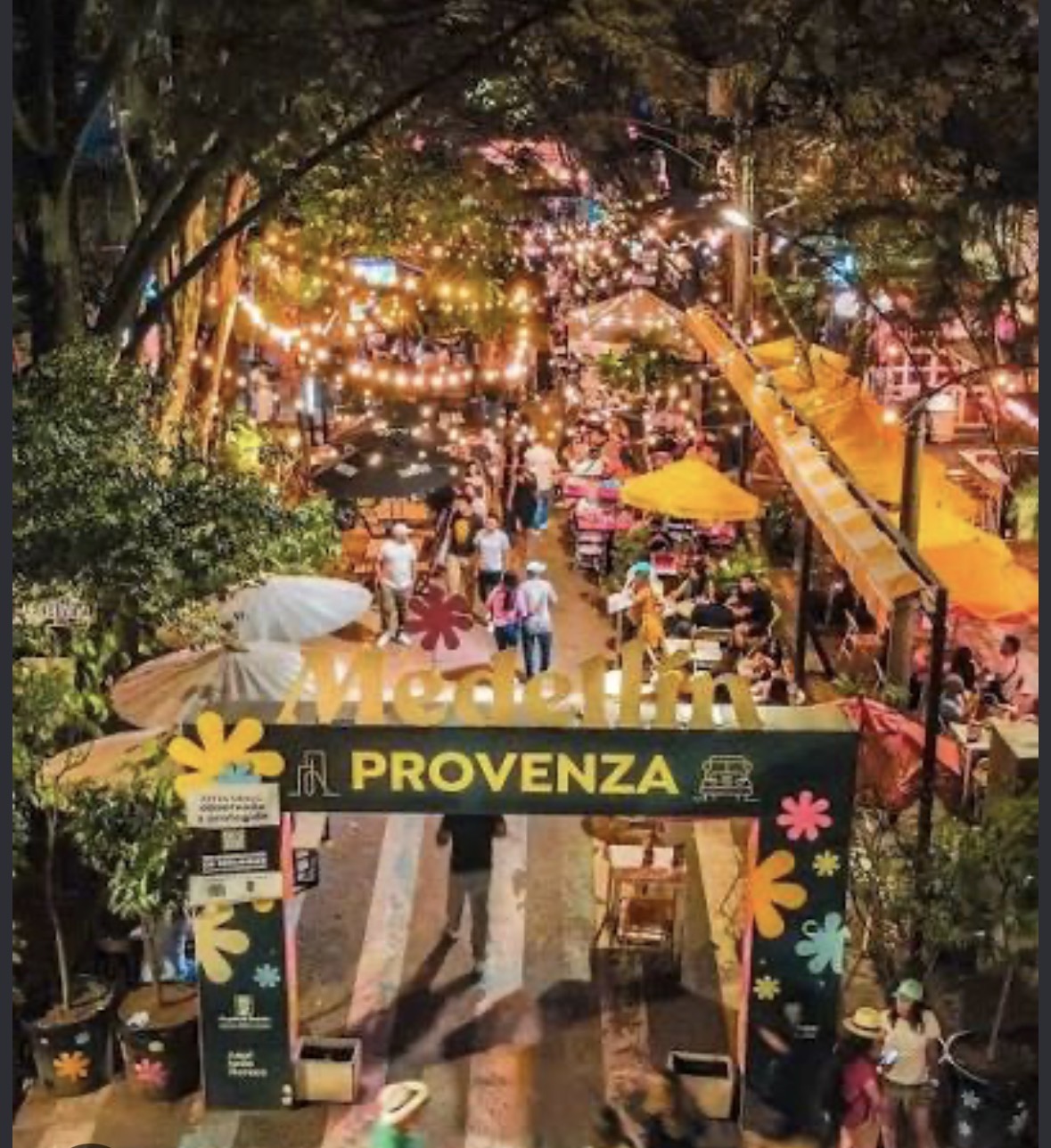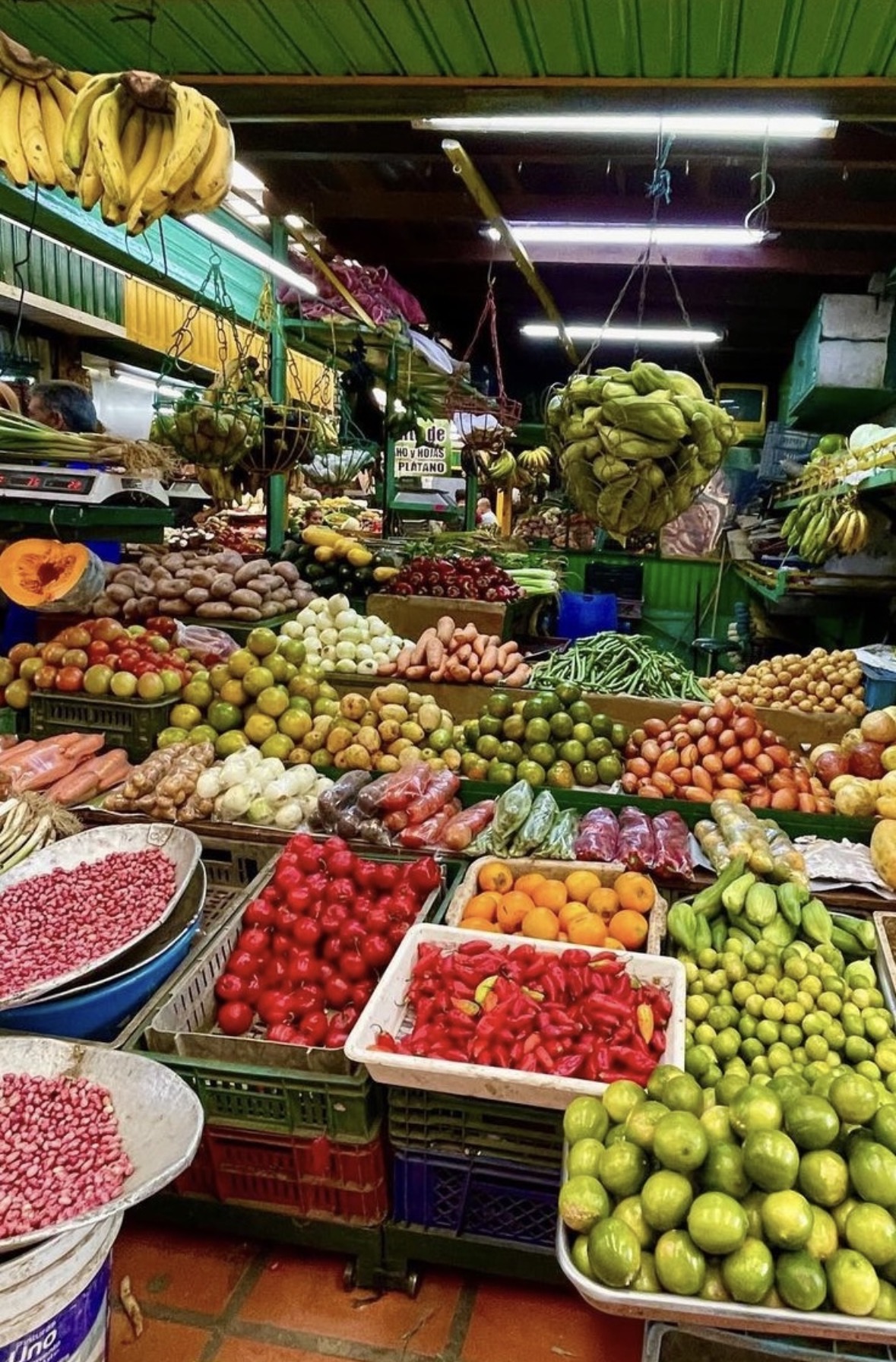
Colombia is the second most biodiverse country on the planet, and you can taste it. There are fruits here that don't exist in any supermarket in the United States or Europe, with flavors unlike anything you've tried — and Medellín, with its market plazas and corner fruit carts, is the perfect place to meet them all. This is the honest guide: what each one is, how to eat it (several require technique), and where to try them like a local.
Where to try them: markets, carts and the golden rule
The market plazas are the temple. The Placita de Flórez and neighborhood markets like La América are the friendly experience: stalls in impossible colors, vendors who let you taste before buying, and laughably low prices. The Plaza Minorista is another league — the wholesale market, enormous and intense, the deep-end immersion: spectacular, but best enjoyed alongside someone who knows it.
Fruit carts wait on every corner of the city: green mango, papaya, pineapple and salpicón on the go. And the golden paisa rule for buying: ask for fruit "de comer ya" — ready to eat now — and the vendor will hand you fruit at its exact point of ripeness, not the one that survives three days in a fridge.
In fact, that's how many of our travelers fell in love with the fruit here: on our bike tours we make a fruit stop with a tasting — the vendor slices, you try, and suddenly you've spent ten minutes asking the names of fruits you didn't know existed. According to our guests, it's one of the moments nobody forgets.
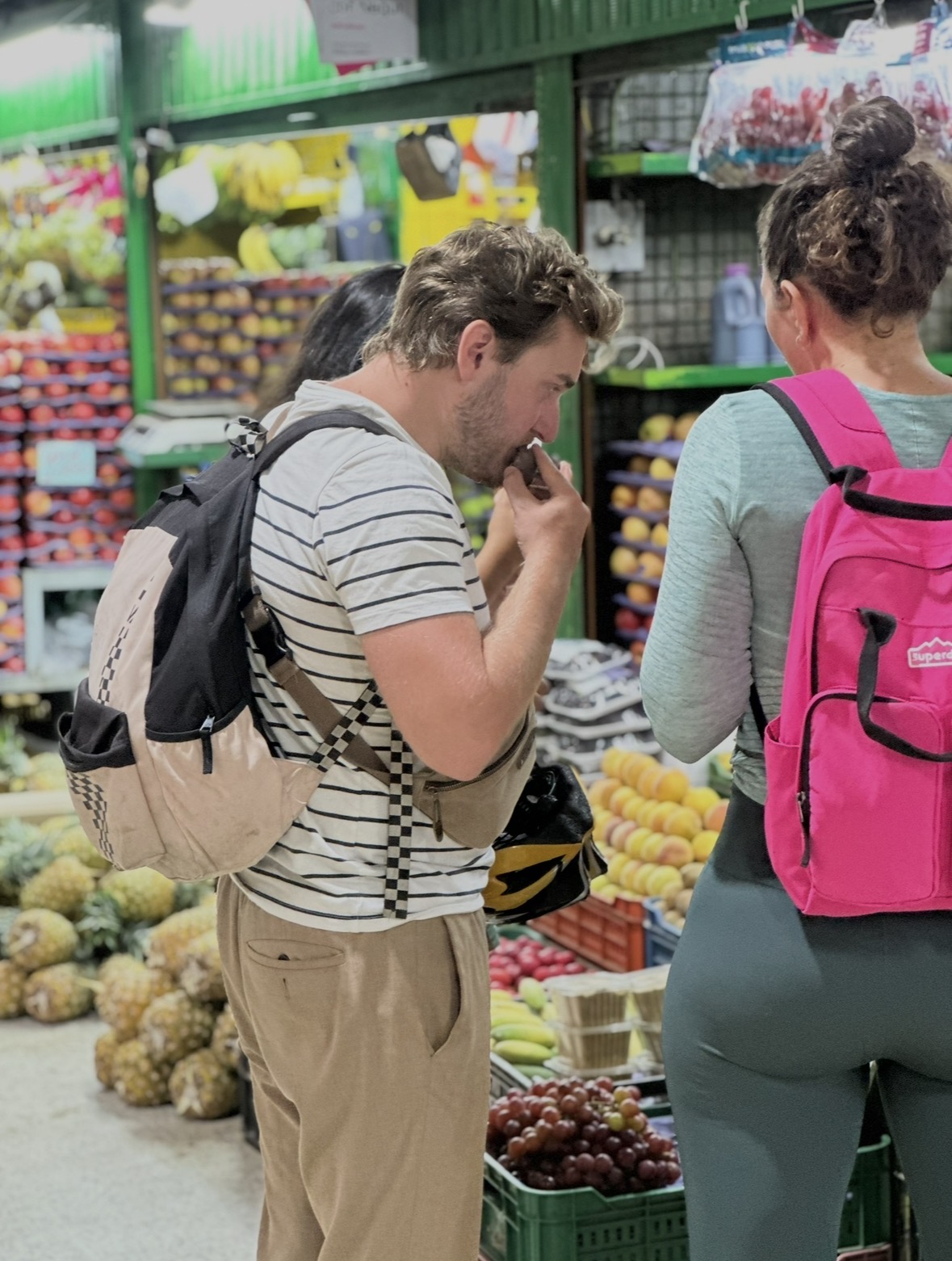
If you're not sure which market to go to, we explain what each one offers in our guide to Medellín's markets.
The ones you eat with technique (and a show)
- Granadilla: the star of first-timers. Crack the shell with a little knock, open it like an egg and slurp the inside — yes, that gray jelly full of seeds that paisa kids affectionately call "boogers". Sweet, gentle and addictive. The perfect gateway fruit.
- Mangosteen (mangostino): the favorite of almost everyone who tries it. Press the purple shell with both hands until it gives, and inside wait white segments, sweet and perfumed. When it's in season, buy twice what you planned.
- Yellow pitahaya: the elegant queen — white flesh with black seeds, delicate sweetness, eaten with a spoon. And the honest tip no tourist guide gives you: in quantity, it's a mild laxative. One whole one is perfect; don't eat three in a row on tour day.
- Guanábana (soursop): giant, green and soft-spiked. By the spoonful it's a sweet-and-sour cream; as juice in milk it's flat-out dessert. Order it that way at least once.
- Zapote: intense orange, sweet, fleshy — and it stains everything it touches. Eat it with an imaginary bib and zero shame.
- Uchuva (goldenberry): the little golden lantern. Open the paper wrap, eat the sweet-tart ball. By the bag, it's the perfect backpack snack.
The juice queens
Some fruits here are almost never eaten whole — they live in the glass, and they're the reason fresh Colombian juice ruins boxed juice for you forever:
- Lulo: acidic, fragrant, electric green. Lulo juice is THE juice of Colombia. Don't try to bite into one — it exists for juice only, and what a juice.
- Maracuyá (passion fruit): the classic sour passion. Juice in water to refresh, in milk to mellow.
- Gulupa: maracuyá's purple cousin, less acidic and more perfumed — our tip: if maracuyá feels too strong, gulupa is your gateway.
- Curuba: long and unassuming, it makes one of the most beloved milk juices in Antioquian cooking. Tastes like a paisa grandmother's kitchen.
- Tomate de árbol (tree tomato): yes, it's a fruit; yes, it makes juice; yes, it's on half of Antioquia's breakfast tables.
- Mora: you know blackberries, but not like this: Colombian mora de Castilla, blended fresh, is another experience entirely.
The eternal question when ordering: "in water or in milk?" Water is fresher and fruitier; milk is creamier, closer to dessert. Local rule: the acidic ones (lulo, maracuyá) shine in water; guanábana and curuba beg for milk.
Street fruit and the little bag
- Green mango with salt and lime: Medellín's number one street snack. Crunchy green mango, sliced on the spot, with salt, lime and (if you dare) a touch of pepper. Sweet, sour, crunchy, perfect.
- Mamoncillo: the little green ball sold by the branch. Crack it with your teeth, suck the orange pulp off the seed — and careful, it stains clothes forever. Eating mamoncillo is a paisa childhood rite.
- Guama: the giant pod that looks alien. Inside, seeds wrapped in sweet white cotton. It's less about flavor than texture — but trying it is mandatory, if only for the story.
- Salpicón: technically not one fruit but all of them at once — the cup of chopped fruit in its own juice sold on every corner. The Centro's official hydration.
And the truly rare ones? If you spot borojó or chontaduro (more Pacific coast than local), try them for sport: the first is the "energizer" legend in fruit form; the second is eaten with salt and honey and splits entire families into lovers and haters.
The art of buying: the ñapa and other tricks
At the market you shop by talking. Ask what's in season (it's the cheapest and the tastiest), let the vendor recommend, ask to taste — it's normal and nobody minds. Prices are friendly: a granadilla costs COP 1,000–2,000, and a fresh juice runs COP 4,000–8,000 depending on the place. And once you've built some confidence, drop the magic phrase: "¿y la ñapa?" — the little free extra a vendor adds at the end. Asking for it with a smile isn't stingy: it's culture, and vendors love a foreigner who knows it.
A stomach note, because we promised honesty: whole fruit you peel yourself is always safe. With pre-cut street fruit, use traveler's judgment — a busy stand, fresh fruit in sight, and a stomach that's had a few days to acclimate. The first days, stick to markets and restaurants; after that, the whole street is yours.
Can you take them home? (Short answer: no)
Your country's customs almost certainly bans fresh fruit — the United States, the European Union and the UK confiscate it without discussion. Plan B for those who fall in love: frozen pulp doesn't travel well, but the sweets do — guava bocadillo, dried uchuvas, artisanal jams — and all of that clears customs in your luggage. Look for them in supermarkets or artisan markets before you fly.
Frequently asked questions about Colombian fruits
Which exotic fruit should I try first in Medellín? The granadilla: sweet, gentle, zero acidity, with the fun ritual of cracking it open and slurping it. From there move on to mangosteen and a lulo juice — the perfect welcome trio.
Where can I try exotic fruits in Medellín? At the market plazas (Placita de Flórez and neighborhood markets to start; the Minorista for full immersion, better with company), at the street fruit carts, and at the tasting stop on our electric bike tours.
How much does fruit cost in Medellín? Very little: a granadilla runs COP 1,000–2,000, and most fruits sell by the unit or the pound at similar prices. A fresh juice costs COP 4,000–8,000 depending on the place.
Juice with water or with milk? The acidic ones (lulo, maracuyá, mora) are most refreshing in water; guanábana and curuba become dessert in milk. Ordering a guanábana juice "en leche" is one of the best decisions you'll make in Colombia.
Is it safe to eat street fruit? Whole fruit you peel yourself, always. Pre-cut fruit from carts, with judgment: busy stands, fresh-looking fruit, ideally once your stomach has had a few days to acclimate.
Can I take Colombian fruits home? Fresh fruit, no — customs in most countries prohibits it. Take guava bocadillo, dried uchuvas or artisanal jams instead, which clear customs without a problem.
Want to try them with a paisa who tells you each fruit's story? On our electric bike tours the fruit stop is sacred. Message us on WhatsApp — and for everything else, the complete Medellín guide and what to eat in Medellín.
Ready to experience it?
Discover Medellín on an e-bike private tour. Local guides · Instant confirmation · 5.0 ★ (360+ reviews).