There is a topic official tourism in Medellín prefers not to mention. Understandably: it is a story that did enormous damage to this country in the eighties and nineties, and it hurts many people here that one surname remains the entry door for so many visitors.
At MOVE we see it differently. That story happened, it hurt deeply — and precisely for that reason it cannot be erased, and it deserves to be told well. This blog is our attempt to tell it as you will not see it in the series: no sensationalism, no glamour, and with the part almost nobody narrates. And to tell you, at the end, what happens to nearly everyone who arrives in Medellín because of this story — because something happens, and it is good.
Why people really come (and it is not what many assume)
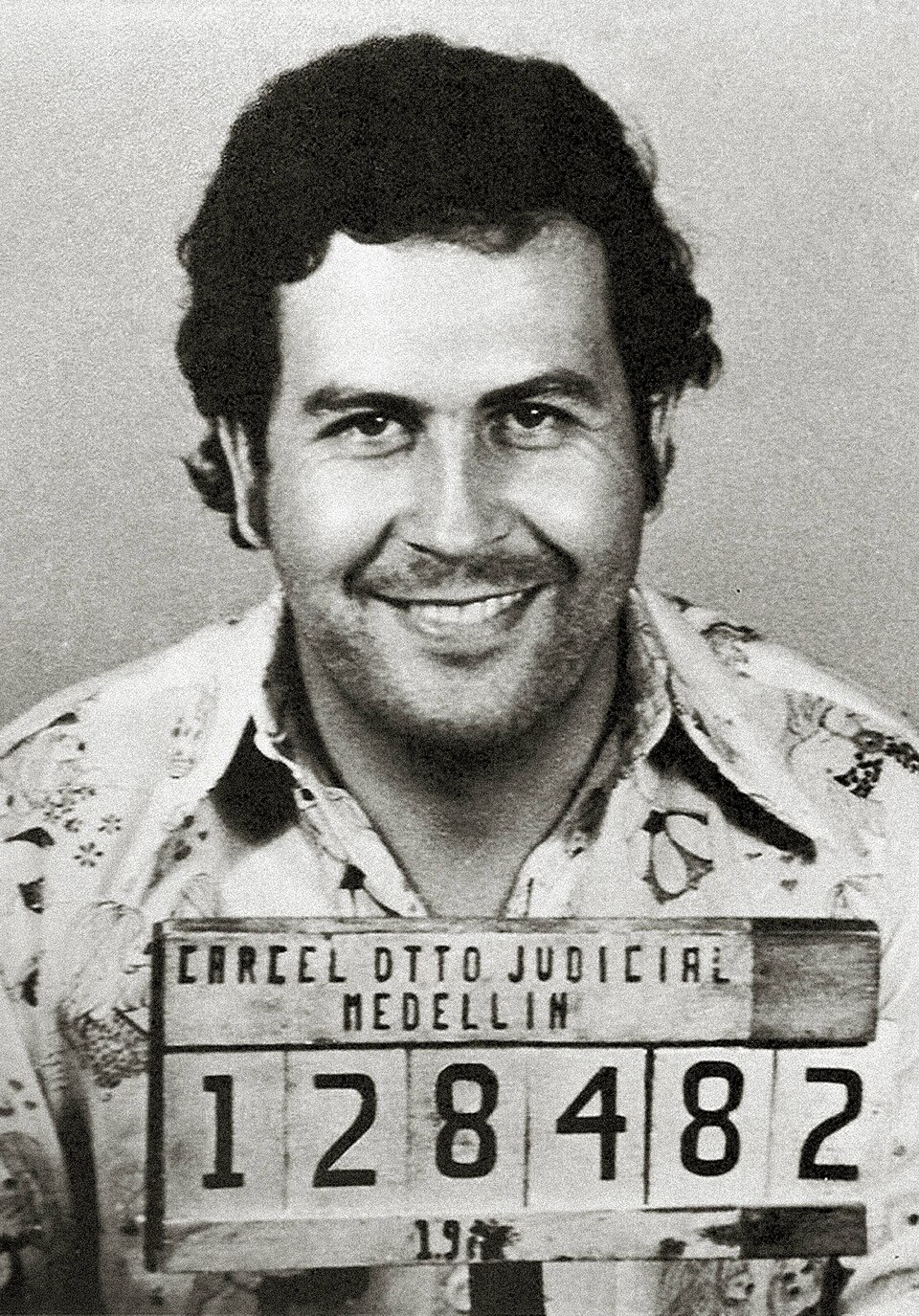
There is a misunderstanding we want to undo. In Colombia many assume the tourist asking about Pablo Escobar comes for the morbid side — the deaths, the violence. After years of welcoming travelers from all over the world, here is what we actually see: the vast majority does not come for that.
They come with the curiosity of someone who watched a story that was world news and entered half the planet's culture: how did someone who started from nothing amass so much money so fast? How did a single mind — for better or worse — coordinate hundreds of people and accumulate enough power to challenge an entire State? It is the same curiosity that takes people to the settings of other dark chapters of world history: understanding how it was possible. That curiosity is not sensationalism: it is history. And it ended more than thirty years ago.
The "Pablo day": what it is and how long it takes
Let us be practical. If that curiosity brought you here, specialized tours answer it: the museum, the neighborhood bearing his name, the settings of the nineties chronicle. We arrange that tour through trusted local partners — just ask us and we will set it up — and we will also tell you something useful: one day is enough. Truly. One well-guided day shows you the essence of what this city lived through in that era.
And here is where it gets interesting, because almost nobody comes to Medellín for a single day. You come for four, five. And those other days are where the thing no Pablo tour advertises happens.
The part the series never tell: the children who watched that era
Everyone knows the story from above: the rise, the politics, the bombs, the war against the State. It fills dozens of novels, series and films. What almost nobody tells is the story from below: what that era planted in the neighborhoods, and what sprouted later.
In comunas like 3 and 4 — Manrique, Aranjuez — that machine recruited many of its young men. And there grew up thousands of children who were seven or eight in the eighties and nineties, looking around and seeing a single visible model of success. In an environment of conflict, with no real access to education, the imaginable future was not doctor or engineer: it was being like him. Having that. Wielding that.
The time bomb did not explode then: it exploded later. When those children turned eighteen, twenty — into the 2000s, with Pablo long dead — they tried to replicate the story they grew up on. And that replica became the fight over micro-trafficking, the invisible borders between neighborhoods that scarred the city for years, another wave of violence with no famous name but cast from the same mold. That is the legacy the series skip: not what he did, but what his image kept doing after he was gone.
Telling Pablo's story without this part is telling half of it. And this part is also what explains what came next — which is the best part.
The city that decided not to repeat it
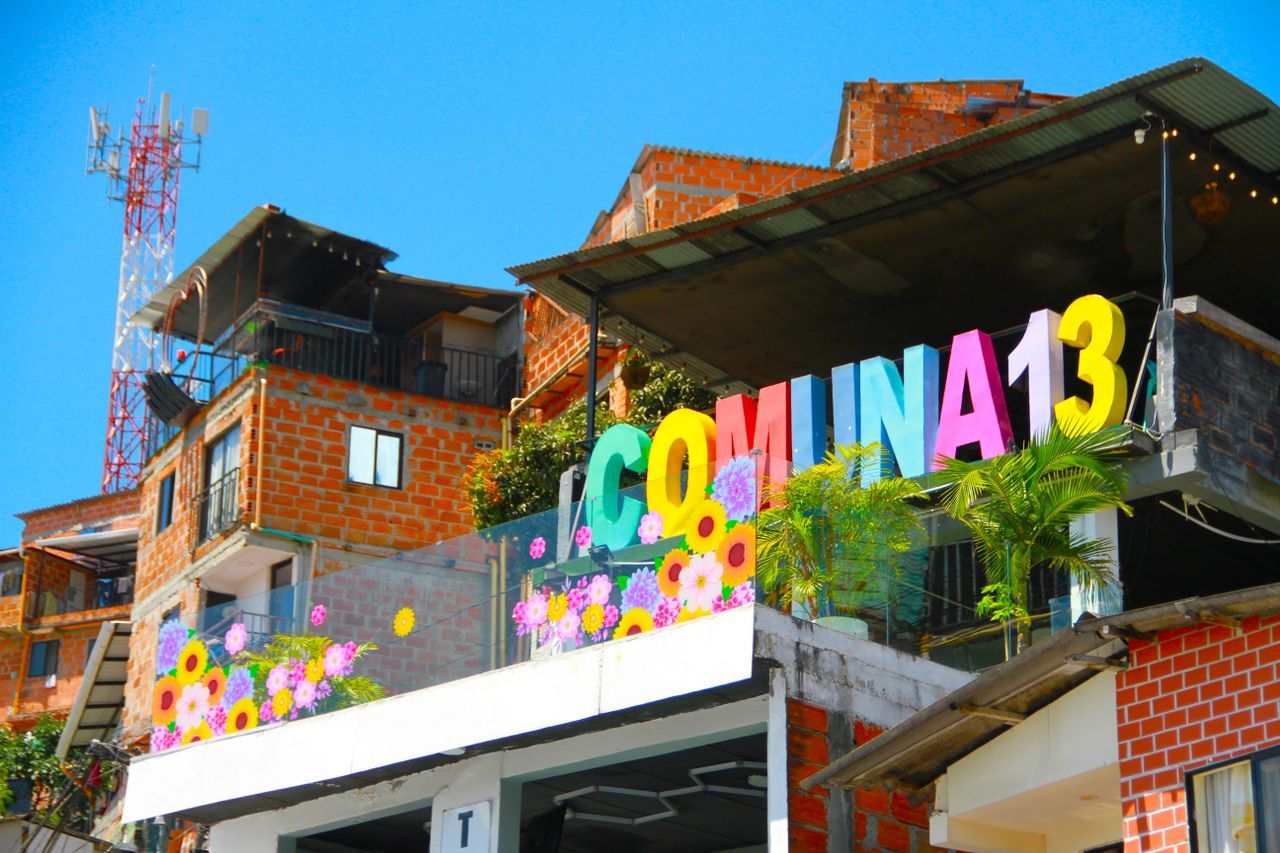
Because Medellín did something with all of that. The city you ride today — the spotless metro, the escalators of Comuna 13, the libraries on the hillsides, children with more access to education and more possible futures than that single image — is an entire generation's answer to that story. It did not erase it: it transformed it. That is why Comuna 13 became the world symbol of urban transformation, and why visiting it with a local guide who lived that process is worth infinitely more than any series.
Today the country is another one in that regard. It improved enormously. And that improvement is, honestly, more impressive than the story that brought you here.
You arrive for Pablo. You leave for Medellín.
And here is the ending we watch repeat itself week after week — the reason it does not bother us that you come for this story.
The tourist arrives with Pablo on their mind. They do their day of museum and neighborhood. Then they stay four more days — and in those days they discover a city they did not expect: people who greet you, the weather of eternal spring, neighborhoods bursting with life, the lookouts, the food, a safety they had not imagined, the feeling that the city welcomes you. And there the switch happens: they arrived thinking about a name and leave thinking about a city. They go home talking about the beauty, the people, the transformation. They leave in love.
Many people here resent that Pablo is the reason for the trip. We do not — because we know how it ends. People come thinking one thing, and we send them back home thinking a thousand better ones. That positive surprise may be the best thing Medellín does with its own history.
Our local advice
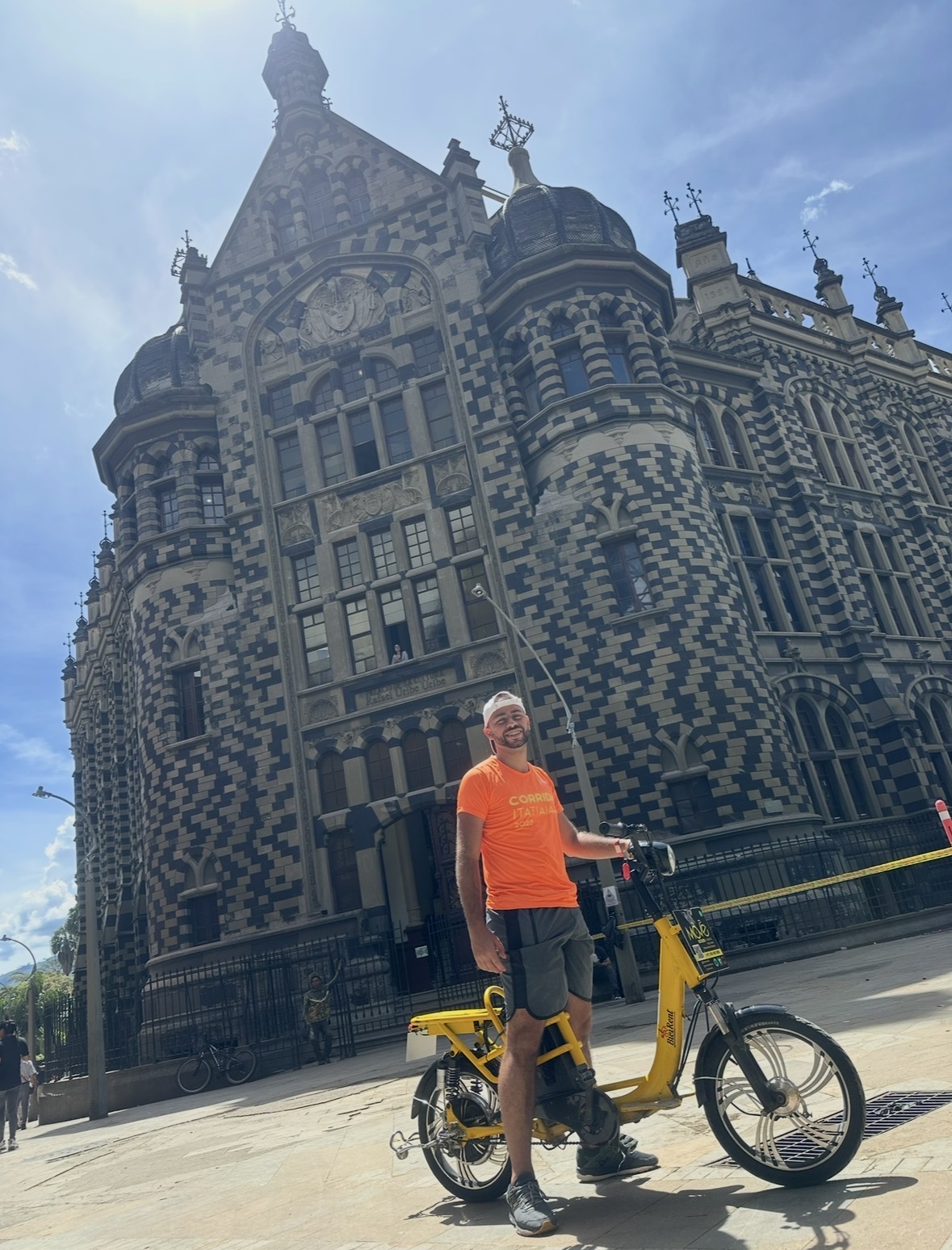
Do your Pablo day if that curiosity brought you — with respect, with a good guide, without guilt. Then give Medellín the days that truly matter: ride through Comuna 13 and its transformation, climb the lookouts, lose yourself in the neighborhoods on an electric bike that forces you to look at the city, eat where the paisas eat. Our private tours exist exactly for that: for the part of the trip you did not know you came to do.
Message us on WhatsApp at +57 350 4502929 and we will build those days — the ones of the Medellín you will take home.
Keep reading
Ready to experience it?
Discover Medellín on an e-bike private tour. Local guides · Instant confirmation · 5.0 ★ (301 reviews).