Let's start by knocking down the myth that costs travelers money: you don't need to fly to Salento to experience Colombian coffee. Antioquia is origin coffee country — much of the nation's coffee culture came out of these mountains — and from Medellín you have three ways to live it, depending on the time you have: two hours, half a day or a weekend. This is the honest guide to the three routes, told by zones and without smoke.
First, the context that makes this coffee special
The coffee of these mountains is family coffee: small farms hanging on impossible slopes, where the bean is picked by hand because no machine can handle this geography, and where the same family name has done the same thing every harvest for three or four generations. When you take a coffee tour here you don't visit a factory: you visit a home. That's the difference you taste in the cup — and in the conversation.
When is harvest? The main harvest concentrates toward the end of the year, and there's a smaller mid-year harvest — but farms that welcome visitors have process to show all year: there's always coffee drying, roasting or brewing somewhere.
Route 1 — Coffee without leaving the city (2–3 hours)
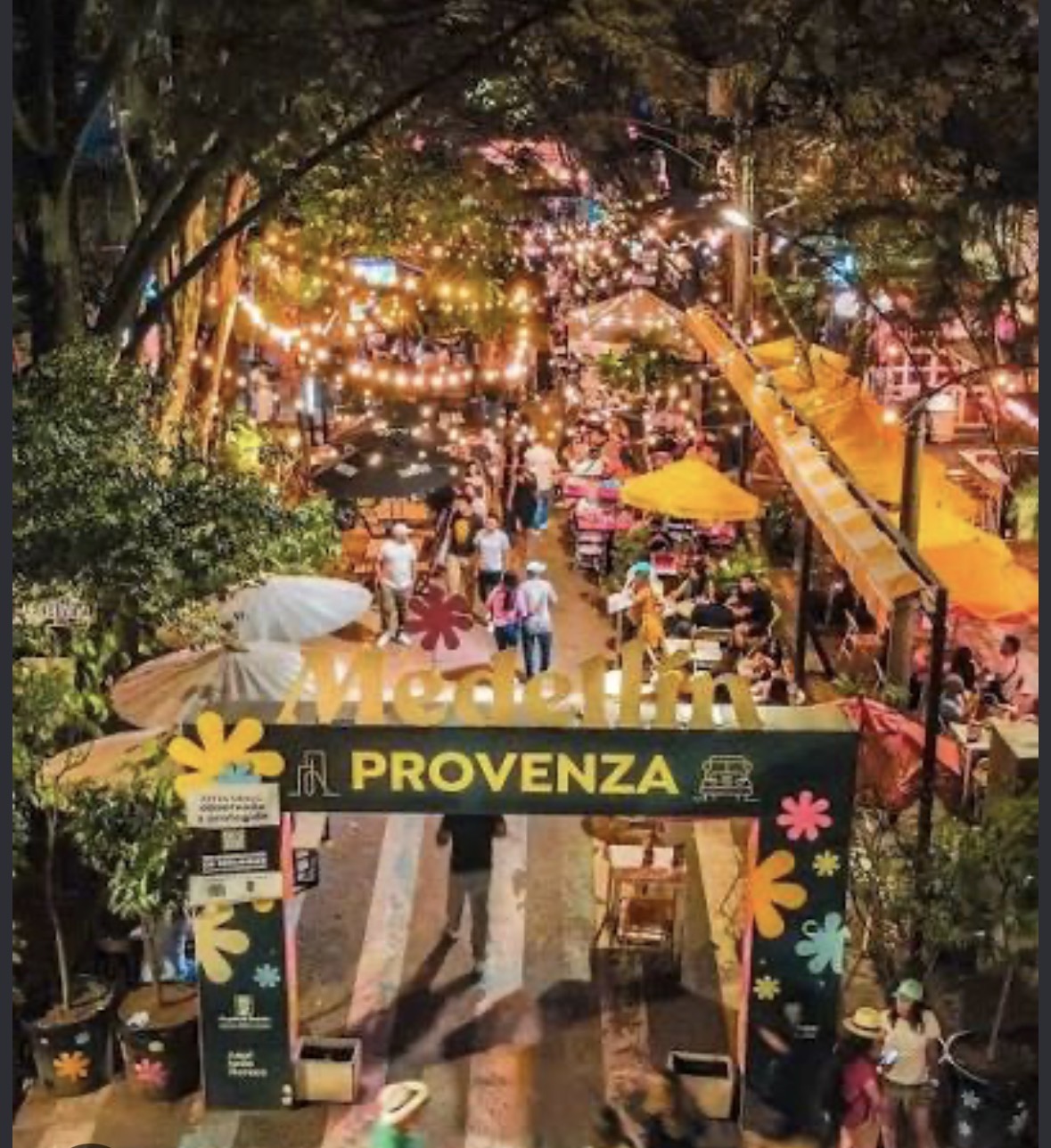
If your itinerary is tight, the urban scene has you covered: the specialty cafés of Manila, Provenza and Laureles offer cuppings, barista experiences and baristas who explain methods and origins with a professor's patience. In one afternoon you understand why the coffee Colombia exports and the coffee Colombia drinks have historically been different things — and why that's changing. The full urban scene is in our Medellín coffee guide.
Who it's for: the traveler with few days, the one who wants to understand before going deeper, or the nomad who already lives in those cafés and wants the next level.
Route 2 — The nearby farms (half day to a day)
Here's the best-kept secret: you don't have to go far. In the mountains surrounding the valley — Medellín's rural districts and the neighboring municipalities — there are coffee farms welcoming visitors barely an hour from the city. The typical plan: you walk the crop between slopes and shade trees, watch the full process — depulping, drying, roasting — and close with the cupping where it all makes sense, often with a farm lunch and a view over the coffee fields included.
The reference price: a half day at a nearby farm runs COP 100,000–200,000 per person with transport, depending on what's included — verify when booking. Who it's for: whoever wants the full bean-to-cup experience without sacrificing a whole travel day. For most people, it's the route with the best time-to-experience ratio.
Route 3 — The coffee Suroeste (1–2 days, total immersion)
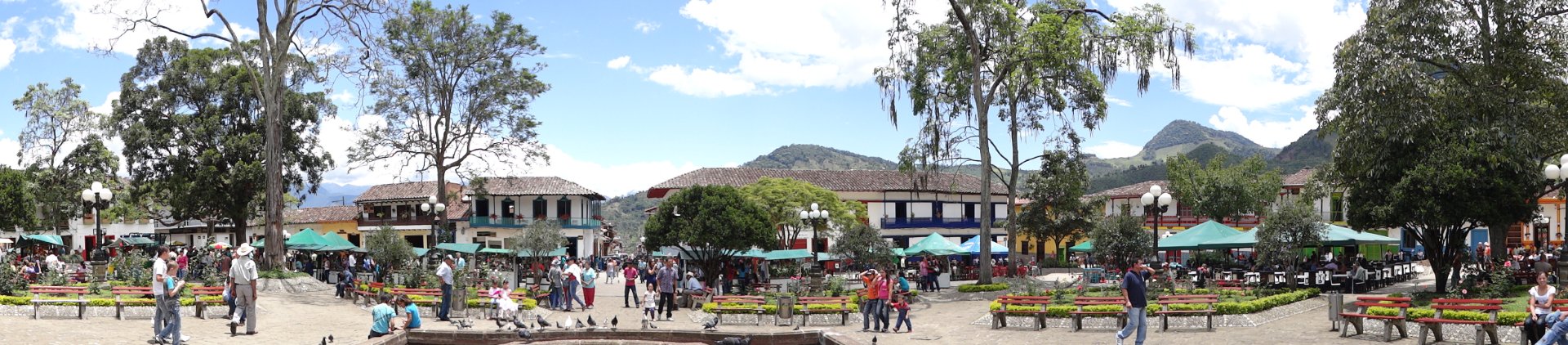
And for those who want the full chapter: the Antioquian Suroeste — Jardín, Jericó, Fredonia, Támesis and the towns where coffee isn't tourism but life. Farms with full tours, lodging among coffee fields, plazas where the corner-café ritual hasn't changed in 80 years, and the heritage-town-plus-coffee combination that makes many call it "the Coffee Axis without the crowds".
You get there by bus from the Terminal del Sur (3–3.5 hours of curves with scenery worth the ride) or by rental car — the most beauty-per-kilometer route in Antioquia. Who it's for: the traveler with a night to spare who wants coffee to be the trip, not an activity within the trip.
What a typical coffee tour includes (so you compare well)
The serious tour brings: a walk through the crop (with varieties and shade explained), hand harvesting if it's the season, the full processing — depulping, fermentation, drying — the roasting and the final cupping. If a tour only shows you the shop and the cup, it's a shop with scenery. Always ask what's included, how long the farm walk lasts and whether transport is covered.
The buyer's tip: take home the right coffee
The connoisseur's rule: buy the coffee where you saw it born — at the farm or in town — and ask for whole beans if you have a grinder at home (it lasts much longer than ground). And customs? Roasted, packaged coffee travels without problems in most countries — it's one of the few edible souvenirs that flies stress-free. A kilo of farm coffee costs less than two airport coffees and is worth infinitely more.
Frequently asked questions about coffee tours from Medellín
Do I need to go to the Coffee Axis to experience Colombian coffee? No: Antioquia is origin coffee country. You have tastings in the city, farms an hour from Medellín and the full coffee Suroeste 3 hours away — the "Coffee Axis without the crowds".
How much does a coffee tour near Medellín cost? Urban tasting experiences are the cheapest option; a half day at a nearby farm runs COP 100,000–200,000 per person with transport, depending on what's included.
How long does a coffee tour take? In the city, 2–3 hours. At a nearby farm, half a day to a full day. The Suroeste asks for one night to live it well.
When is the coffee harvest in Antioquia? The main harvest concentrates toward the end of the year, with a smaller mid-year harvest. But farms that welcome visitors have process to show year-round.
Can I take coffee home? Yes: roasted, packaged coffee clears customs without a problem in most countries. Buy it as whole beans at the farm or in town — it lasts longer and tastes like the trip.
How do I reach the coffee Suroeste without a car? By bus from Medellín's Terminal del Sur: Jardín and Jericó are 3–3.5 hours away with daily departures. By rental car, the route is among the most beautiful in Antioquia.
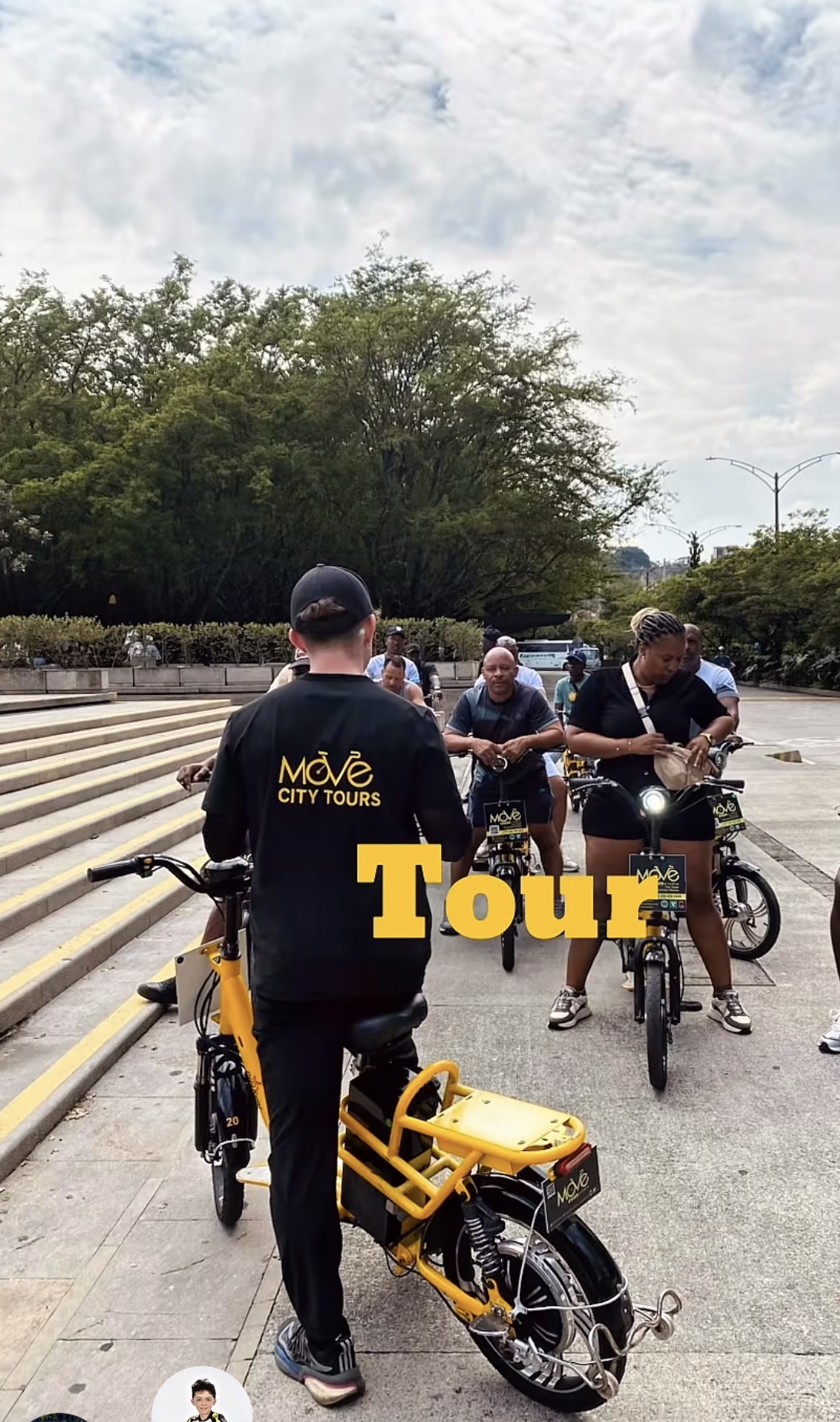
Want to first understand the city that wakes up on this coffee? Book your electric bike tour or message us on WhatsApp — and to build the whole trip, the complete Medellín guide.
Cover photo: Kamilokardona, via Wikimedia Commons, licensed CC BY-SA 3.0.
Ready to experience it?
Discover Medellín on an e-bike private tour. Local guides · Instant confirmation · 5.0 ★ (360+ reviews).