There's a joke that repeats itself in the cafés of Laureles: "I came for a month… three years ago." Medellín has spent a decade at the top of the world's nomad city rankings and the recipe is no mystery: perfect weather year-round, a US-aligned time zone, cost of living in pesos, wifi everywhere and a giant international community. This is the honest guide to settling in well — written by locals who watch nomads arrive every week and know exactly what they get right and where they go wrong.
Why Medellín (the no-marketing version)
What actually changes your day-to-day: GMT-5 all year — you work your company's hours in New York, Miami or Toronto without early mornings or late nights. Eternal spring — 20-28°C every day, zero heating, zero coats, terrace weather year-round. The cost — the same life as Austin or Lisbon, for half or a third. And something rankings don't measure: here people talk to you, ask about you, adopt you. Nomad loneliness — the real problem of this lifestyle — doesn't last long in Medellín.
The legal stay: from tourist stamp to the V visa
For most nationalities, the entry door is simple: a 90-day tourist stamp on arrival, extendable to 180 days per calendar year with Migración Colombia. If your plan is a few months, that's enough — and many nomads live exactly like that, with their Check-Mig up to date on every entry.
Want to stay more seriously? Colombia has the V digital nomad visa: it allows residence for up to two years while working remotely for companies outside the country. The general requirements: proof of remote work, minimum income and health insurance — and the application is online. Details and amounts change, so the only source you should use is the official Cancillería page. Honest tip: don't pay "fixers" promising magic; the official process is direct.
Where to live: the three nomad neighborhoods (and which is yours)
- Laureles — the current nomad heart. Flat, tree-lined, walkable, full of cafés, and with the best mix of local life + international community. If you want to know the real Medellín without giving up networking, it's here. Our favorite, no pretending.
- El Poblado / Manila — the networking. Designer coworkings, the highest nomad density, events every week and everything in English if you need it. In exchange: higher prices, hills, and the bubble (more on that below).
- Envigado — the smart quiet. The neighboring municipality, traditional neighborhood feel, friendlier prices and total calm. For long stays and budgets that need to stretch, it's the connoisseur's move.
The real-estate advice worth gold: Airbnb is the entry door, not the final rate. Arrive with two to four weeks booked, walk the neighborhoods, then negotiate a monthly furnished rental — the direct monthly price always drops. Buildings with flexible contracts for foreigners are an established industry here.
What the month costs (honest breakdown)
The numbers validated by years of nomads: with USD 1,200–1,800/month you live well; with USD 2,000–2,500 you live very well in any zone. The rough breakdown: furnished studio USD 500–900 depending on neighborhood and season; food USD 300–450 mixing corrientazos, markets and restaurants; transport USD 50–100 (Metro + apps); gym USD 25–50; optional coworking USD 100–150 (the cafés do the job for free). The peso does the rest: every dollar goes twice as far as you're used to.
Where to work: coworkings, cafés and the fiber
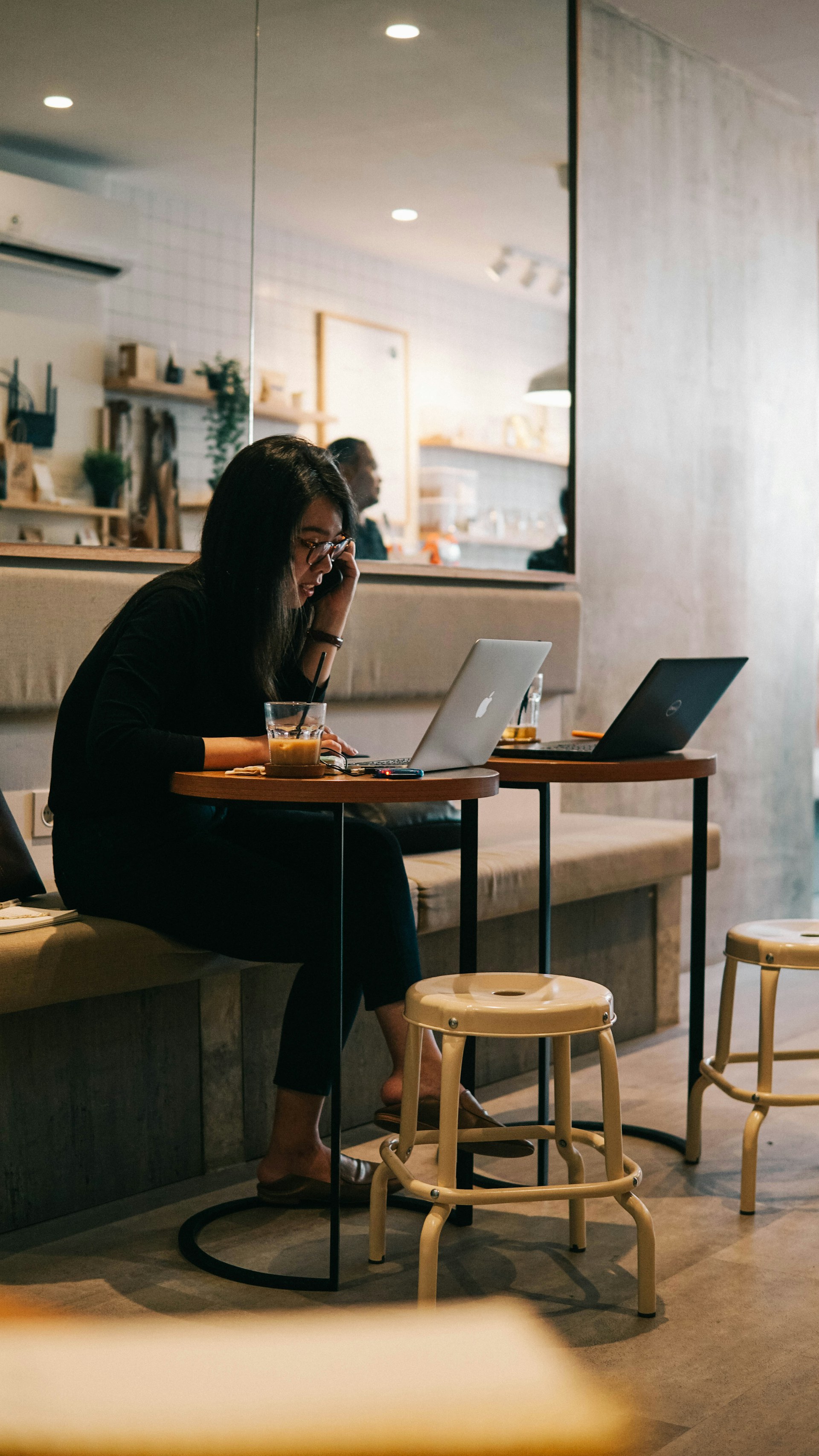
Infrastructure isn't the problem: fast fiber is the standard in nomad-zone buildings, there are dozens of coworkings across Laureles, Manila and Ciudad del Río, and the laptop-friendly specialty café scene of Manila and Laureles is among the best on the continent — order a single-origin and work guilt-free (here's the full coffee route). The paisa ritual you'll adopt: a work block at a café, a corrientazo lunch (saves you USD 10 a day versus the nomad brunch), and an afternoon close with the city already on your side.
Life beyond the laptop
What separates those who leave from those who stay: getting off the screen. The Sunday Ciclovía, a match at the Atanasio, language exchanges (the perfect social currency: your English for their Spanish), weekend escapes to Guatapé or the Sunday Oriente — and Spanish. You don't need fluency: you need to try. The difference between the nomad who lives in Medellín and the one who merely works from Medellín is ten Spanish phrases and the will to use them.
The rookie mistakes (we'll save you from them)
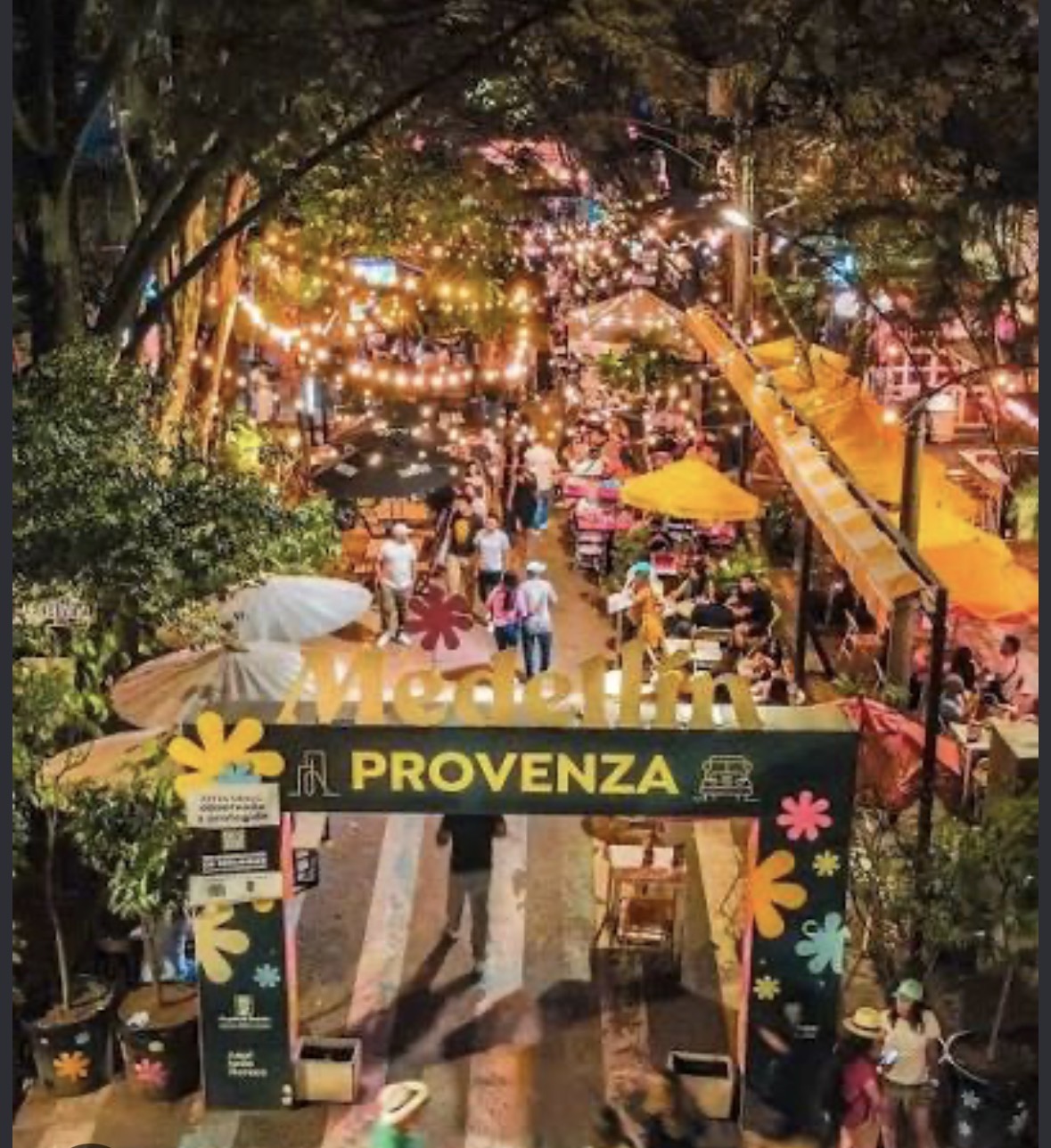
Mistake 1: the bubble. Landing in Provenza, working in English, eating brunch, partying with foreigners and "knowing Medellín" without having met Medellín. The real city — the one that makes people stay — lives in the neighborhoods, the plazas and the greetings. Mistake 2: paying tourist prices all year. The first days, sure; by month three, your rent, your lunch and your coffee should cost local prices. Mistake 3: ignoring the city's simple rules — the same ones in our safety guide: no flashing valuables, phone smarts, apps at night. Nomads who run into trouble almost always broke all three at once. Mistake 4: never leaving the valley. You're two hours from Guatapé, from origin coffee and from towns out of another century — use them.
Digital nomad FAQs for Medellín
Do I need a visa to work remotely from Medellín? For stays up to 90 days (extendable to 180 per year), the tourist stamp is enough for most nationalities. To stay longer, Colombia offers the V digital nomad visa for up to two years — requirements and online application on the official Cancillería page.
How much does it cost to live in Medellín as a digital nomad? With USD 1,200–1,800 a month you live well (furnished studio, mixed dining, transport, gym); with USD 2,000–2,500 you live very well in any zone.
What is the best neighborhood for nomads in Medellín? Laureles for walkable local life with a strong nomad community; El Poblado/Manila for networking and coworkings; Envigado for long stays and calm on a budget.
Is the internet in Medellín good enough for remote work? Yes: fast fiber is the standard in the nomad zones, and between coworkings and laptop-friendly cafés you're never far from a good connection.
Is Medellín safe to live in as a foreigner? With the common-sense rules of any big city, yes — thousands of nomads live here for years. The full rules are in our safety guide.
Where do I meet people when I arrive? Language exchanges, coworkings, sports (the Sunday Ciclovía is free), and the nomad community of Laureles and Manila that runs events all week. A local tour on your first weekend speeds everything up.
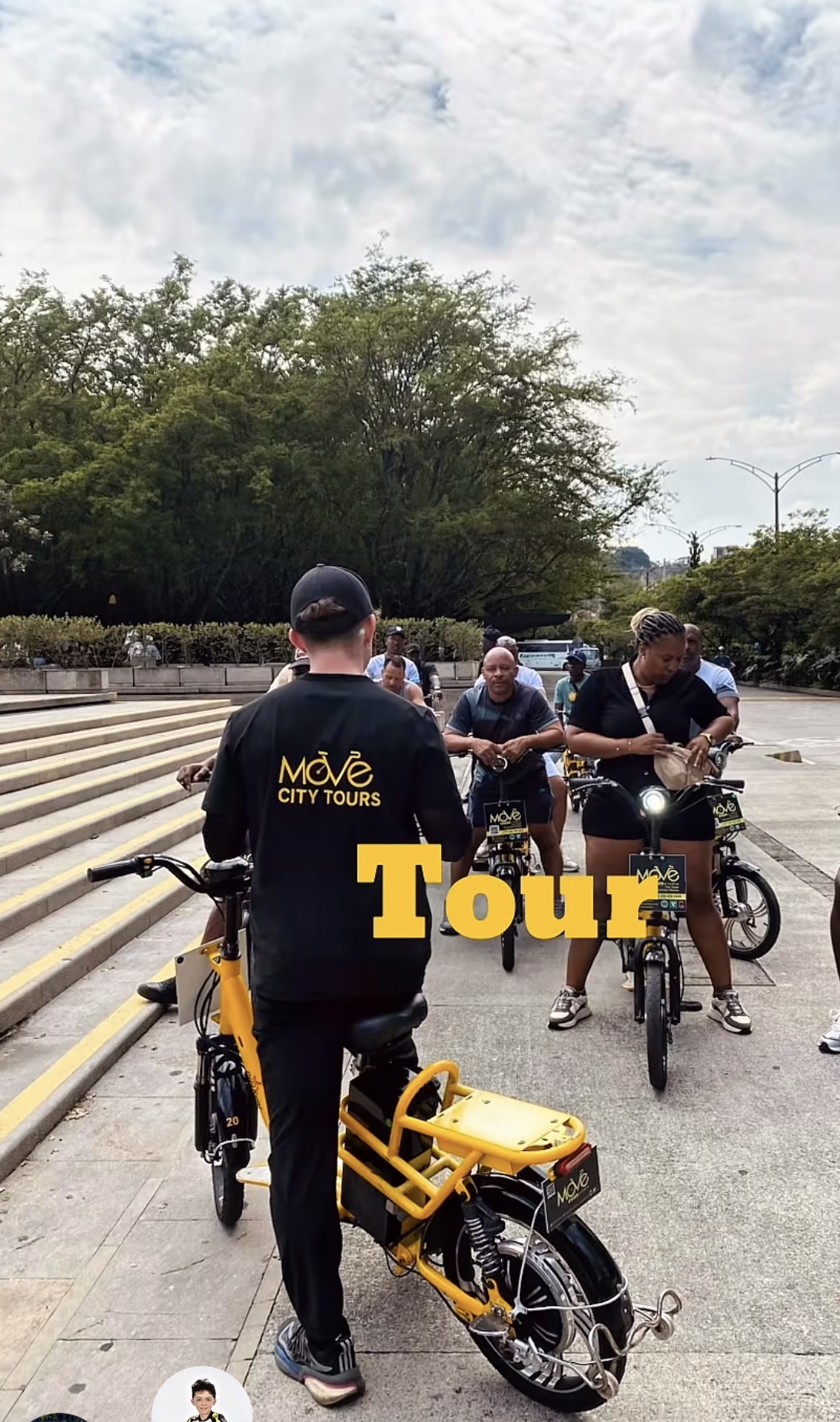
The best induction to your new city? An electric bike tour on your first weekend: in three hours you understand the map, the history and why you'll stay longer than planned. Message us on WhatsApp — and save the complete Medellín guide; you'll use it a lot.
Cover photo: CoWomen, via Unsplash.
Ready to experience it?
Discover Medellín on an e-bike private tour. Local guides · Instant confirmation · 5.0 ★ (360+ reviews).